


€ 44,99 Gratis verzending

Uitgelicht
|
|
44,99 |
Naar shop
|

|
123,99 |
Naar shop
|
| VERGELIJK ALLE AANBIEDERS (2) | ||
 Beschrijving
Vergelijk aanbieders (2)
€ 44,99 Gratis verzending
€ 123,99 Gratis verzending
Winkels met andere maten
Beschrijving
(1)
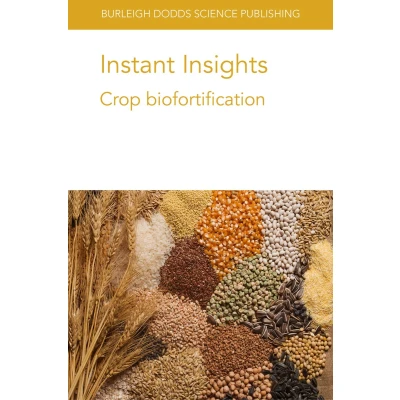
This collection features four peer-reviewed literature reviews on crop biofortification in agriculture. The first chapter reviews evidence of the human health impact of wheat flour fortification and how it is measured and studied. The chapter explores the benefits to wheat flour fortification, citing the process’s ability to address widespread health problems caused by nutrient deficiencies, such as iron deficiency and anaemia. The second chapter examines the biofortification of maize with Provitamin A carotenoids and its potential in improving micronutrient intake for the population of food insecure people. The chapter refers to the Zambia maize biofortification programme as a case study to demonstrate this. The third chapter similarly considers the rising threat of micronutrient malnutrition, but highlights the integral role biofortified legume crops have in offsetting this. The chapter reviews the genetic variability of iron and zinc content in many legume crops, and shows how this is being used to guide breeding efforts through both transgenic approaches and agronomic management. The final chapter assesses the problem of vitamin A deficiency in countries where cassava is considered a key crop and consumed as a main food source. The chapter reviews the HarvestPlus breeding programme for increasing the nutrient density of cassava, as well as strategies that can be implemented to promote the use of pro-vitamin A varieties by farmers and consumers. What is an Instant Insight? An Instant Insight gives you immediate access to key research on a topic, allowing you to get right to the heart of a subject in an instant and empowering you to contribute to sustainable agriculture. The first chapter reviews evidence of the human health impact of wheat flour fortification and how it is measured and studied. The chapter explores the benefits to wheat flour fortification, citing the process’s ability to address widespread health problems caused by nutrient deficiencies, such as iron deficiency and anaemia. The second chapter examines the biofortification of maize with Provitamin A carotenoids and its potential in improving micronutrient intake for the population of food insecure people. The chapter refers to the Zambia maize biofortification programme as a case study to demonstrate this. The third chapter similarly considers the rising threat of micronutrient malnutrition, but highlights the integral role biofortified legume crops have in offsetting this. The chapter reviews the genetic variability of iron and zinc content in many legume crops, and shows how this is being used to guide breeding efforts through both transgenic approaches and agronomic management. The final chapter assesses the problem of vitamin A deficiency in countries where cassava is considered a key crop and consumed as a main food source. The chapter reviews the HarvestPlus breeding programme for increasing the nutrient density of cassava, as well as strategies that can be implemented to promote the use of pro-vitamin A varieties by farmers and consumers.
 Productspecificaties
| EAN |
|
|---|---|
| Maat |
|
 Prijshistorie
Prijzen voor het laatst bijgewerkt op:
 Gerelateerde resultaten


