


€ 28,99 Gratis verzending

Uitgelicht
|
|
28,99 |
Naar shop
|

|
37,55 |
Naar shop
|
| VERGELIJK ALLE AANBIEDERS (2) | ||
 Beschrijving
Vergelijk aanbieders (2)
€ 28,99 Gratis verzending
€ 37,55 Gratis verzending
Winkels met andere maten
Beschrijving
(1)
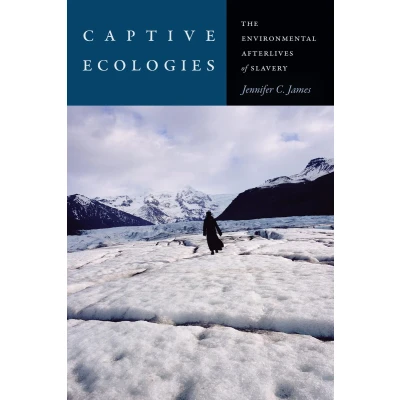
Captive Ecologies makes a case for the ecological significance of slavery’s afterlife, tracing the complex entanglements between racial capitalism and Black ecological freedom. Attending to the ways that racial capitalism implicates both captive bodies and captive land, Jennifer C. James brings into relief the harm that racial capitalism does to Black people as well as the human and non-human worlds they inhabit. James looks to a range of case studies and media from the nineteenth, twentieth, and twenty-first centuries, including Black music, ecopoetics, literature, social history, biography, and Black feminist and queer art, tracing the various ways that the environmental stakes of racial capitalism have shaped the Black ecological imagination. In these works, the concept of captivity signals not only slavery but also Black life in the “wake”: carceral spaces and enclosures, exploitative economic systems, sacrifice zones, and more. James offers novel concepts and frameworks to generate new modes of ecocriticism that are equipped to grapple with the unique demands and stakes of captive ecologies.
 Prijshistorie
 * Prijshistorie bevat geen data van Amazon.
Prijzen voor het laatst bijgewerkt op:
 Gerelateerde resultaten
 Productspecificaties


