


€ 196,85 € 181,35 Gratis verzending

Uitgelicht
|
|
196,85
181,35 |
Naar shop
|

|
196,85 |
Naar shop
|

|
196,85 |
Naar shop
|
| VERGELIJK ALLE AANBIEDERS (3) | ||
 Beschrijving
Vergelijk aanbieders (3)
€ 196,85 € 181,35 Gratis verzending
€ 196,85 Gratis verzending
€ 196,85 Gratis verzending
Winkels met andere maten
Beschrijving
(1)
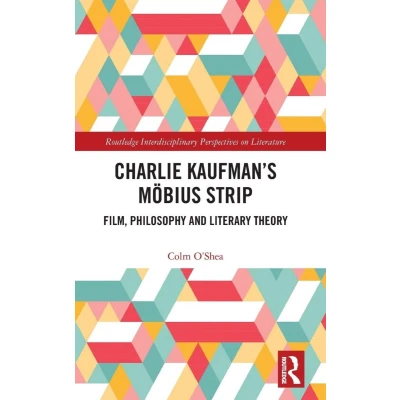
Charlie Kaufman's Moebius Strip: Film, Philosophy and Literary Theory presents Kaufman's diagnosis of alienation in the modern age as a spiritual malady. Each chapter builds on a theological/metaphysical idea, drawing from Kierkegaard, Kafka, Wittgenstein, Wallace, the Talmud, Tibetan Buddhism, and Christian mysticism. Charlie Kaufman’s Möbius Strip: Film, Philosophy and Literary Theory presents Kaufman’s diagnosis of alienation and corruption in the modern age as a fundamentally spiritual malady. Each chapter builds on a theological or metaphysical idea, drawing from thinkers as diverse as Kierkegaard, Kafka, Wittgenstein, and David Foster Wallace, along with spiritual insights from the Talmud, Tibetan Buddhism, and Christian mysticism. This isn’t to sell the notion that Charlie Kaufman is a covert religious thinker of any particular stripe. Instead, the book reveals how, behind the surreal whimsy, playfulness, and absurdity of his fictional universes, Kaufman’s films collectively present an accurate anatomy of contemporary despair or broken heartedness. Kaufman’s critique engages in what this book terms a “meta-modernity”—a dual mode that oscillates from postmodern irony to sincere engagement with human suffering and angst. The Kaufmanesque text is openly vulnerable and guarded, direct and oblique, playful and lamenting. This book offers an essential guide to understanding Kaufman’s unique cinematic vision and its profound engagement with the spiritual crises of our time.
 Prijshistorie
 * Prijshistorie bevat geen data van Amazon, Amazon Marketplace.
Prijzen voor het laatst bijgewerkt op:
 Gerelateerde resultaten
 Productspecificaties


