


€ 76,99 Gratis verzending

Uitgelicht
|
|
76,99 |
Naar shop
|

|
95,40 |
Naar shop
|

|
95,40 |
Naar shop
|
| VERGELIJK ALLE AANBIEDERS (3) | ||
 Beschrijving
Vergelijk aanbieders (3)
€ 76,99 Gratis verzending
€ 95,40 Gratis verzending
€ 95,40 Gratis verzending
Winkels met andere maten
Beschrijving
(1)
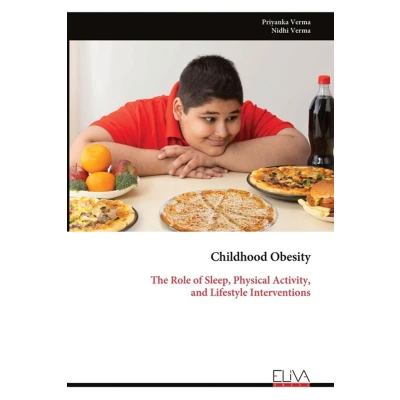
Childhood obesity is a complex, multifactorial condition defined by excessive accumulation of body fat that adversely affects a child's physical, psychological, and social well-being. It is typically assessed using age- and sex-specific body mass index (BMI) percentiles, with children above the 95th percentile considered obese. Over the past few decades, the prevalence of childhood obesity has risen dramatically worldwide, including in developing countries like India, making it a significant public health challenge. The etiology of childhood obesity is not merely an imbalance between calorie intake and expenditure but involves an intricate interplay of genetic predisposition, epigenetic influences, and environmental factors. Unhealthy dietary patterns-such as increased consumption of calorie-dense, nutrient-poor foods, sugar-sweetened beverages, and frequent snacking-combined with sedentary behaviors like prolonged screen time, contribute substantially. Urbanization, reduced opportunities for physical activity, academic pressures, and changes in family dynamics further exacerbate the problem. Additionally, factors such as inadequate sleep, hormonal regulation (e.g., leptin and ghrelin imbalance), and early-life influences including maternal nutrition and birth weight also play a role. Metabolically, it predisposes children to insulin resistance, type 2 diabetes mellitus, dyslipidemia, and metabolic syndrome. Cardiovascular risks such as hypertension and early atherosclerotic changes can begin early in life. It also affects multiple systems, leading to conditions like non-alcoholic fatty liver disease (NAFLD), orthopedic complications, and respiratory disorders such as obstructive sleep apnea. Beyond physical health, obesity significantly impacts mental health, contributing to low self-esteem, body image dissatisfaction, social stigmatization, anxiety, and depression, which can impair academic performance and overall quality of life. Prevention and management require a comprehensive, multidisciplinary approach.
 Prijshistorie
 * Prijshistorie bevat geen data van Amazon, Amazon Marketplace.
Prijzen voor het laatst bijgewerkt op:
 Gerelateerde resultaten
 Productspecificaties


