


€ 60,39 Gratis verzending

Uitgelicht
|
|
60,39 |
Naar shop
|

|
60,79 |
Naar shop
|
| VERGELIJK ALLE AANBIEDERS (2) | ||
 Beschrijving
Vergelijk aanbieders (2)
€ 60,39 Gratis verzending
€ 60,79 € 3,14 verzendkosten Totaal € 63,93
Winkels met andere maten
Beschrijving
(1)
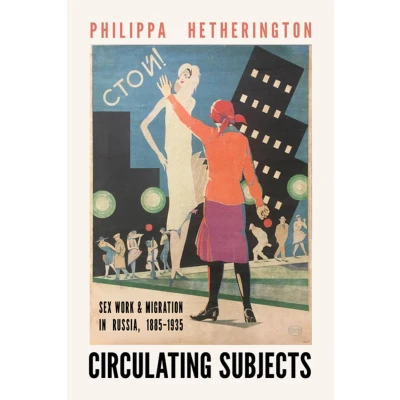
Circulating Subjects investigates the migration of women abroad for sex work from the 1880s through the 1930s, which Russian feminists, liberal jurists, and imperial bureaucrats worked together to define and criminalize as "white slavery." As Circulating Subjects reveals, white slavery became a powerful tool of border control for the Russian Empire, later the Soviet Union, as it played a central role in shaping a global campaign against sex trafficking. Philippa Hetherington explores how a paternalistic desire to protect women underwrote the expansion of state power, linking gender, sexuality, and migration to the broader politics of sovereignty. Through vivid archival research spanning Odessa, Istanbul, and Geneva, Hetherington follows the development of Russian and Soviet efforts against sex trafficking across legal, diplomatic, and carceral domains. She draws on police files, consular reports, and the records of early feminist and humanitarian organizations to show how anti-trafficking campaigns, often led by people who considered themselves progressive, ultimately reinforced systems of surveillance and repression. Her framing of the "sex/migration nexus" captures how trafficking became a flexible label used to police the movements of entire populations. Circulating Subjects examines how trafficking was constructed, debated, and institutionalized. Hetherington's account offers critical insight into how moral panic becomes policy and how states mobilize concern for women to reinforce their power. For readers interested in gender, migration, and global law, this book illuminates a past that echoes in the ways we police borders today.
 Prijshistorie
 * Prijshistorie bevat geen data van Amazon.
Prijzen voor het laatst bijgewerkt op:
 Gerelateerde resultaten
 Productspecificaties


