


€ 125,00 Gratis verzending

Uitgelicht
|
|
125,00 |
Naar shop
|
| VERGELIJK ALLE AANBIEDERS (1) | ||
 Beschrijving
Vergelijk aanbieders (1)
€ 125,00 Gratis verzending
Winkels met andere maten
Beschrijving
(1)
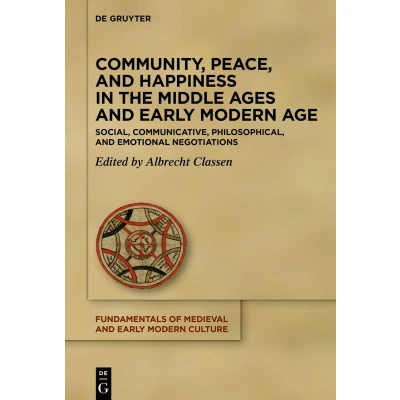
This volume, combining numerous methodological and disciplinary approaches, seeks to explore how pre-modern writers, thinkers, theologians, and poets reflected on the perennial problems of violence, miscommunication, hatred, and outright war, all directly threatening the survival of civilized society. While the aristocratic courts strongly promoted the ideal of love, in reality, as countless literary examples indicate, this powerful emotion easily led to even more conflicts and tensions. By contrast, during the same time period, increasingly groups of friends, colleagues, like-minded individuals, spiritual communities, and companies of those who pursued the same economic and political interests emerged and signaled that peace and friendship were possible, that religious differences would not have to be impossible barriers, and that shared concerns for peace and collaboration could matter much more than greedy and violent approaches in military terms, for instance. Community, peace, and happiness proved to be the three keywords for a magic that promoted the constructive growth of society, both materially and spiritually. Friendship existed between Jews and Christians, between mystics and the divine Godhead, and among surgeons, craftsmen, musicians, artists, or travelers (pilgrims, merchants, etc.). But each literary or historical document from the pre-modern period also indicated that the very opposite could be possible, so we can actually find quite easily significant models of human behavior already then which might serve as illustrations of the negative consequences of hatred and the positive conclusions resulting from good communication and the sharing of ethical and moral principles, i.e., happiness.
 Productspecificaties
| EAN |
|
|---|---|
| Maat |
|
 Prijshistorie
Prijzen voor het laatst bijgewerkt op:
 Gerelateerde resultaten


