


€ 47,99 Gratis verzending

Uitgelicht
|
|
47,99 |
Naar shop
|
| VERGELIJK ALLE AANBIEDERS (1) | ||
 Beschrijving
Vergelijk aanbieders (1)
€ 47,99 Gratis verzending
Winkels met andere maten
Beschrijving
(1)
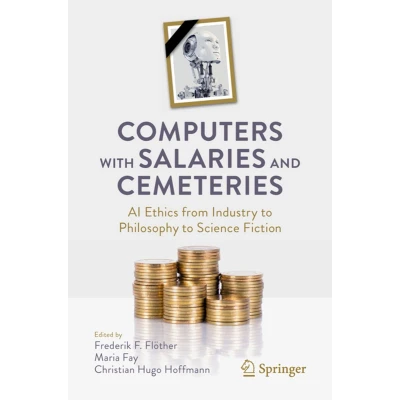
What does it mean to build artificial intelligence (AI) and how can we achieve accountability for its impact? What does it mean to build artificial intelligence (AI) and how can we achieve accountability for its impact? This book shines a light on current and future AI ethics topics viewed through the lenses of 30 global practitioners and academics. Connecting industry applications, philosophical considerations, and creative portrayals by authors and screenwriters in science fiction and beyond, this novel multidisciplinary approach allows the reader to reflect on questions such as “How does it feel to play against machines — can we still call it sport?”; “Would you trust a machine with your money?”; “What is it like when AI follows Buddhist teaching?”; and “What can the history of robot science fiction teach us about ethics?”. Through their professional work and academic research, the three editors have collaborated with individuals and companies exploring the opportunities and threats posed by AI and other emerging technologies. They bring scientific, entrepreneurial, and industrial experience, allowing both general as well as technical perspectives to be considered here. In response to increasing public concern with AI ethics, this book tackles the subject in an accessible and thought-provoking format. What does it mean to compete against machines—can it still be called sport? Would you trust AI to manage your finances? Can AI follow Buddhist teachings? And what does the history of robot fiction reveal about our current ethical challenges? At a time when AI systems increasingly shape our work and personal decisions, engaging with such questions is no longer optional. This book explores the evolving landscape of AI ethics through the insights of 30 practitioners and academics from around the world. It offers a multidisciplinary lens by incorporating real-world applications, philosophical viewpoints, and imaginative interpretations from science fiction and art. The editors have worked closely with organizations addressing both the opportunities and risks created by AI, quantum, and other emerging technologies. Contributors to the book come from a wide range of leading international institutions, including the United Nations, ABB, Julius Baer, Nestlé, NTT DATA, Stellenbosch University, and the University of Oxford. Bringing together experience from industry, entrepreneurship, and science, these diverse perspectives ensure the book is grounded in both practical and theoretical understanding.
 Productspecificaties
| EAN |
|
|---|---|
| Maat |
|
 Prijshistorie
 Prijzen voor het laatst bijgewerkt op:
 Gerelateerde resultaten


