


€ 94,18 € 39,99 Gratis verzending

Uitgelicht
|
|
94,18
39,99 |
Naar shop
|
| VERGELIJK ALLE AANBIEDERS (1) | ||
 Beschrijving
Vergelijk aanbieders (1)
€ 94,18 € 39,99 Gratis verzending
Winkels met andere maten
Beschrijving
(1)
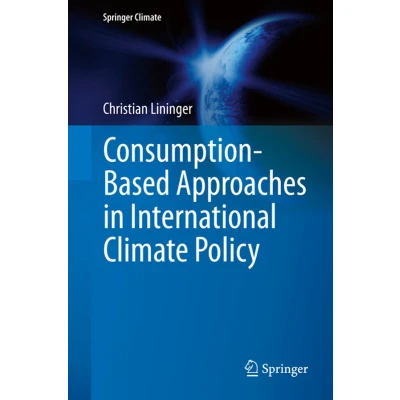
This book analyses the potentials and consequences of a change from production-based to consumption-based approaches in international climate policy. This book analyses the potentials and consequences of a change from production-based to consumption-based approaches in international climate policy. With the help of an analytical model, the author investigates the effects of different policy variants on environmental effectiveness, cost-effectiveness, carbon leakage, competitiveness and the global distribution of income. The economic, legal, and political background and the often contradictory findings on consumption-based approaches are reviewed in great detail. In the final chapters, options for practical policy design are developed. The book concludes that a switch to consumption orientation is not a policy tool whereby industrialized countries can unilaterally improve climate policy effectiveness, but should rather be seen as a possible intermediate step on the way to a fully multilateral mitigation strategy. This book analyses the potentials and consequences of a change from production-based to consumption-based approaches in international climate policy. With the help of an analytical model, the author investigates the effects of different policy variants on environmental effectiveness, cost-effectiveness, carbon leakage, competitiveness and the global distribution of income. The economic, legal and political background and the often contradictory findings on consumption-based approaches are reviewed in great detail. In the final chapters, options for practical policy design are developed. The book concludes that a switch to consumption orientation is not a policy tool whereby industrialized countries can unilaterally improve climate policy effectiveness, but should rather be seen as a possible intermediate step on the way to a fully multilateral mitigation strategy.
 Productspecificaties
| EAN |
|
|---|---|
| Maat |
|
 Prijshistorie
 Prijzen voor het laatst bijgewerkt op:
 Gerelateerde resultaten


