


€ 189,00 € 176,99 Gratis verzending

Uitgelicht
|
|
189,00
176,99 |
Naar shop
|
| VERGELIJK ALLE AANBIEDERS (1) | ||
 Beschrijving
Vergelijk aanbieders (1)
€ 189,00 € 176,99 Gratis verzending
Winkels met andere maten
Beschrijving
(1)
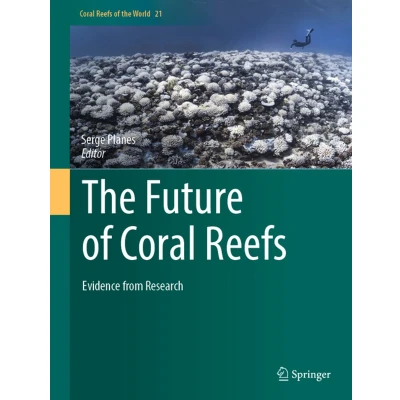
Central themes include the physiological and ecological responses of corals to thermal stress and ocean acidification, the adaptive mechanisms underpinning coral bleaching, and innovative restoration techniques aimed at reef recovery. This book provides a comprehensive exploration of coral reefs—among Earth's most diverse yet vulnerable ecosystems—in the context of global climate change and local human pressures. Structured as an interconnected narrative, the volume delves into critical topics such as reef biodiversity, trophic ecology, environmental histories revealed by coral skeletons, and coral nutrition strategies. Central themes include the physiological and ecological responses of corals to thermal stress and ocean acidification, the adaptive mechanisms underpinning coral bleaching, and innovative restoration techniques aimed at reef recovery. Advanced methodologies such as high-resolution remote sensing, environmental DNA (eDNA) monitoring, and geochemical analyses enrich our understanding of these dynamic ecosystems. Importantly, the book bridges natural sciences with human dimensions, exploring historical human–reef interactions and community-based conservation practices. This interdisciplinary approach highlights both scientific innovation and traditional ecological knowledge as vital components for effective reef management. Ultimately, the chapters collectively offer actionable insights and strategic frameworks for policymakers, scientists, and communities committed to safeguarding coral reefs. As these ecosystems face unprecedented threats, this book underscores not only their vulnerability but also their remarkable capacity for resilience and adaptation, providing a hopeful vision for coral reef conservation in our rapidly changing world. Additionally, the book opens discussion on emerging challenges and identifies critical future research directions, encouraging continued innovation and collaboration within the scientific community. This book provides a comprehensive exploration of coral reefs—among Earth's most diverse yet vulnerable ecosystems—in the context of global climate change and local human pressures. Structured as an interconnected narrative, the volume delves into critical topics such as reef biodiversity, trophic ecology, environmental histories revealed by coral skeletons, and coral nutrition strategies. Central themes include the physiological and ecological responses of corals to thermal stress and ocean acidification, the adaptive mechanisms underpinning coral bleaching, and innovative restoration techniques aimed at reef recovery. Advanced methodologies such as high-resolution remote sensing, environmental DNA (eDNA) monitoring, and geochemical analyses enrich our understanding of these dynamic ecosystems. Importantly, the book bridges natural sciences with human dimensions, exploring historical human–reef interactions and community-based conservation practices. This interdisciplinary approach highlights both scientific innovation and traditional ecological knowledge as vital components for effective reef management. Ultimately, the chapters collectively offer actionable insights and strategic frameworks for policymakers, scientists, and communities committed to safeguarding coral reefs. As these ecosystems face unprecedented threats, this book underscores not only their vulnerability but also their remarkable capacity for resilience and adaptation, providing a hopeful vision for coral reef conservation in our rapidly changing world. Additionally, the book opens discussion on emerging challenges and identifies critical future research directions, encouraging continued innovation and collaboration within the scientific community.
 Productspecificaties
| EAN |
|
|---|---|
| Maat |
|
 Prijshistorie
 Prijzen voor het laatst bijgewerkt op:
 Gerelateerde resultaten


