
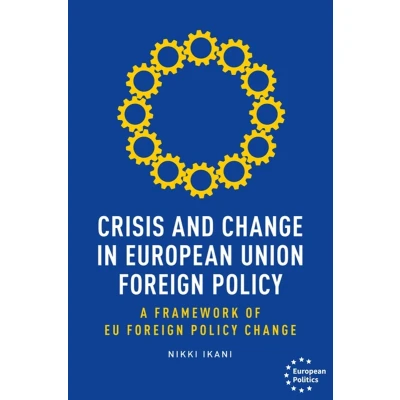
Crisis and Change in European Union Foreign Policy: A Framework of Eu Policy
Uitgelicht

|
28,99 |
Naar shop
|
| VERGELIJK ALLE AANBIEDERS (1) | ||
 Beschrijving
Bol
This book provides wanting to study episodes of EU foreign policy change with a single analytical framework that serves to investigate and explain the way in which the EU adapts its foreign policy in the wake of crisis. It provides readers with a toolbox to explain, measure and conceptualise the process and outcome of change. How do crises produce changes in specific European Union foreign policy areas, and how should we conceptualise these policy changes? This book provides a novel analytical framework that serves to investigate the way in which the EU changes its foreign policy after crisis. Ikani adapts the existing theorising of foreign policy change to a single framework applicable to the EU context, providing readers with a toolbox to both explain the process of change and measure the policy change that follows. The framework is developed through an investigation of two important EU foreign policy change episodes, taking place after the Arab uprisings and the Ukraine conflict, and test-driven in three recent cases of EU foreign policy change after crisis. The volume presents a novel typology of EU foreign policy change, advancing on the fields of foreign policy analysis, public policy studies and International Relations. In doing so, it explains both the decision-making process leading to policy change, and the variation in change outcomes following this process. Further to offering those researching the EU foreign policy response to crisis with timely and empirically rich accounts of five recent change episodes, this book adds to the literature by suggesting two forms of EU foreign policy change, symbolic change and constructive ambiguity, which unlike previously argued form frequent and important outcomes of the decision-making process. This book provides a new analytical framework that investigates the way in which the EU changes its foreign policy after crisis. Adapting existing theorising of foreign policy change to a single framework applicable to the EU context, Ikani provides a toolbox to explain the process of change and measure the policy change that follows. The framework is developed through an examination of two important EU foreign policy change episodes (post-Arab uprisings and post-Ukraine invasion), and test-driven in three recent cases of EU foreign policy change after crisis. The volume presents a novel typology of EU foreign policy change, advancing the fields of foreign policy analysis, public policy studies and International Relations. It explains both the decision-making process leading to policy change, and the variation in change outcomes following this process.


Vergelijk aanbieders (1)

 Beschrijving
(1)
Beschrijving
(1)
This book provides wanting to study episodes of EU foreign policy change with a single analytical framework that serves to investigate and explain the way in which the EU adapts its foreign policy in the wake of crisis. It provides readers with a toolbox to explain, measure and conceptualise the process and outcome of change. How do crises produce changes in specific European Union foreign policy areas, and how should we conceptualise these policy changes? This book provides a novel analytical framework that serves to investigate the way in which the EU changes its foreign policy after crisis. Ikani adapts the existing theorising of foreign policy change to a single framework applicable to the EU context, providing readers with a toolbox to both explain the process of change and measure the policy change that follows. The framework is developed through an investigation of two important EU foreign policy change episodes, taking place after the Arab uprisings and the Ukraine conflict, and test-driven in three recent cases of EU foreign policy change after crisis. The volume presents a novel typology of EU foreign policy change, advancing on the fields of foreign policy analysis, public policy studies and International Relations. In doing so, it explains both the decision-making process leading to policy change, and the variation in change outcomes following this process. Further to offering those researching the EU foreign policy response to crisis with timely and empirically rich accounts of five recent change episodes, this book adds to the literature by suggesting two forms of EU foreign policy change, symbolic change and constructive ambiguity, which unlike previously argued form frequent and important outcomes of the decision-making process. This book provides a new analytical framework that investigates the way in which the EU changes its foreign policy after crisis. Adapting existing theorising of foreign policy change to a single framework applicable to the EU context, Ikani provides a toolbox to explain the process of change and measure the policy change that follows. The framework is developed through an examination of two important EU foreign policy change episodes (post-Arab uprisings and post-Ukraine invasion), and test-driven in three recent cases of EU foreign policy change after crisis. The volume presents a novel typology of EU foreign policy change, advancing the fields of foreign policy analysis, public policy studies and International Relations. It explains both the decision-making process leading to policy change, and the variation in change outcomes following this process.
 Productspecificaties
| EAN |
|
|---|---|
| Maat |
|
 Prijshistorie
Prijzen voor het laatst bijgewerkt op:
 Gerelateerde resultaten


