








Critical Theory and Contemporary Society Dystopia
Uitgelicht

|
25,99 |
Naar shop
|
 Beschrijving
Bol
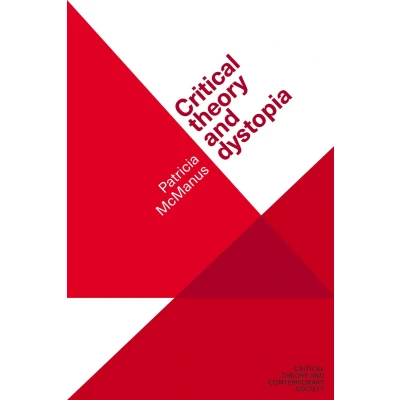
Bringing the resources of critical theory to bear on the genre of dystopian fiction, this volume demonstrates both the continuing potential of Theodor Adorno’s work on literature, and the meaning of dystopia when considered in the light of Adorno’s critique of modernity. Dystopian fiction is one of the most popular genres of the twenty-first century. This book explores its meaning and significance, asking whether it retains the critical energy of the utopian fiction it seems to have replaced or whether it is simply a compensatory form that extolls the present as preferable to a frightening future. The book tracks dystopia as a genre of fiction that occupies the spaces of literature and politics simultaneously. Drawing on Theodor Adorno’s critique of the situation of writing in the twentieth century, it applies the notion of a ‘negative commitment’ to situate both the potential and the limits of dystopia. Examining classic dystopias by Aldous Huxley and George Orwell, the book follows the mutation of the genre in works by Margaret Atwood, J. G. Ballard and William Gibson in the 1980s. It concludes by exploring the dystopias of Michel Houellebecq, Lionel Shriver and Gary Shteyngart. Critical theory and dystopia makes the case for a more rigorously historicised understanding of the dystopias we have now. In addition to reworking the scholarship on dystopian fiction, it also makes a significant contribution towards reorienting approaches to Theodor Adorno, casting his literary-theoretical work as an invaluable resource with which to approach our own present so as to figure out how best to break out of it. Critical theory and dystopia offers a uniquely rich study of dystopian fiction, drawing on the insights of critical theory. Asking what ideological work these dark imaginings perform, the book reconstructs the historical emergence, consolidation and transformation of the genre across the twentieth century and into our own, ranging from Yevgeny Zamyatin’s We (1924) and Aldous Huxley’s Brave New World (1932), to Anthony Burgess’s A Clockwork Orange (1963) and Suzanne Collins's Hunger Games series (2000s and 2010s). In doing so, it reveals the political logics opened up or neutered by the successive moments of this dystopian history.


Vergelijk aanbieders (1)

 Beschrijving
(1)
Beschrijving
(1)
Bringing the resources of critical theory to bear on the genre of dystopian fiction, this volume demonstrates both the continuing potential of Theodor Adorno’s work on literature, and the meaning of dystopia when considered in the light of Adorno’s critique of modernity. Dystopian fiction is one of the most popular genres of the twenty-first century. This book explores its meaning and significance, asking whether it retains the critical energy of the utopian fiction it seems to have replaced or whether it is simply a compensatory form that extolls the present as preferable to a frightening future. The book tracks dystopia as a genre of fiction that occupies the spaces of literature and politics simultaneously. Drawing on Theodor Adorno’s critique of the situation of writing in the twentieth century, it applies the notion of a ‘negative commitment’ to situate both the potential and the limits of dystopia. Examining classic dystopias by Aldous Huxley and George Orwell, the book follows the mutation of the genre in works by Margaret Atwood, J. G. Ballard and William Gibson in the 1980s. It concludes by exploring the dystopias of Michel Houellebecq, Lionel Shriver and Gary Shteyngart. Critical theory and dystopia makes the case for a more rigorously historicised understanding of the dystopias we have now. In addition to reworking the scholarship on dystopian fiction, it also makes a significant contribution towards reorienting approaches to Theodor Adorno, casting his literary-theoretical work as an invaluable resource with which to approach our own present so as to figure out how best to break out of it. Critical theory and dystopia offers a uniquely rich study of dystopian fiction, drawing on the insights of critical theory. Asking what ideological work these dark imaginings perform, the book reconstructs the historical emergence, consolidation and transformation of the genre across the twentieth century and into our own, ranging from Yevgeny Zamyatin’s We (1924) and Aldous Huxley’s Brave New World (1932), to Anthony Burgess’s A Clockwork Orange (1963) and Suzanne Collins's Hunger Games series (2000s and 2010s). In doing so, it reveals the political logics opened up or neutered by the successive moments of this dystopian history.
 Productspecificaties
| EAN |
|
|---|---|
| Maat |
|
 Prijshistorie
Prijzen voor het laatst bijgewerkt op:
 Gerelateerde resultaten


