


€ 38,99 Gratis verzending

Uitgelicht
|
|
38,99 |
Naar shop
|
| VERGELIJK ALLE AANBIEDERS (1) | ||
 Beschrijving
Vergelijk aanbieders (1)
€ 38,99 Gratis verzending
Winkels met andere maten
Beschrijving
(1)
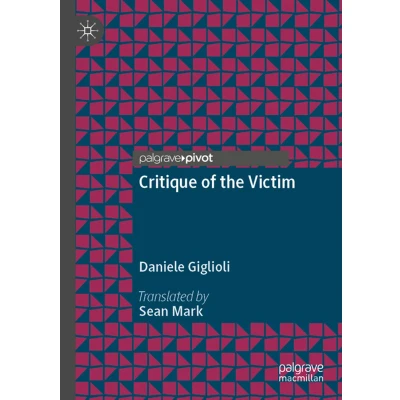
As being a victim, or a self-proclaimed defender of victims, is a source of power today, one which grants privilege, an audience, and freedom to act beyond criticism, a critique of the victim appears more necessary than ever. This book critiques the victim paradigm that occupies a central place in today’s world. As being a victim, or a self-proclaimed defender of victims, is a source of power today, one which grants privilege, an audience, and freedom to act beyond criticism, a critique of the victim appears more necessary than ever. In this stirring polemic, Daniele Giglioli investigates the origins of the ideology of the victim, and its consolidation as a strategy that divides society into offenders and innocents, victims and perpetrators, at the expense of solidarity and political agency. It’s important to note that this critique does not entail blaming actual victims, nor investigating who is or is not a real victim, unmasking those who falsely claim to be; critique here is intended in the Kantian sense, of defining and delimiting how to talk legitimately about the condition and uses of victimhood today. It interrogates, in other words, what being a victim entails and the power that comes with it.
 Productspecificaties
| EAN |
|
|---|---|
| Maat |
|
 Prijshistorie
 Prijzen voor het laatst bijgewerkt op:
 Gerelateerde resultaten


