

€ 28,95 Gratis verzending

Uitgelicht
|
|
28,95 |
Naar shop
|

|
28,95 |
Naar shop
|

|
30,99 |
Naar shop
|
| VERGELIJK ALLE AANBIEDERS (3) | ||
 Beschrijving
Vergelijk aanbieders (3)
€ 28,95 Gratis verzending
€ 28,95 Gratis verzending
€ 30,99 Gratis verzending
Winkels met andere maten
Beschrijving
(1)
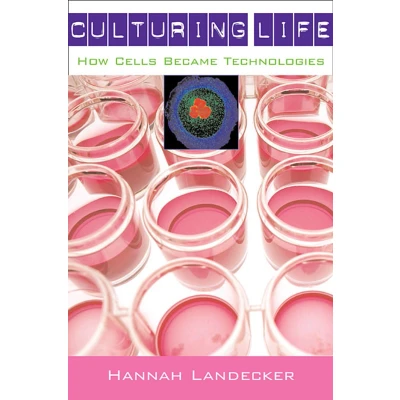
Landecker shows how cell culture changed the way we think about such central questions of the human condition as individuality, hybridity, and even immortality and asks what it means that we can remove cells from the spatial constraints of the body and “harness them to human intention.“ How did cells make the journey, one we take so much for granted, from their origin in living bodies to something that can be grown and manipulated on artificial media in the laboratory, a substantial biomass living outside a human body, plant, or animal? This is the question at the heart of Hannah Landecker's book. She shows how cell culture changed the way we think about such central questions of the human condition as individuality, hybridity, and even immortality and asks what it means that we can remove cells from the spatial and temporal constraints of the body and "harness them to human intention."Rather than focus on single discrete biotechnologies and their stories--embryonic stem cells, transgenic animals--Landecker documents and explores the wider genre of technique behind artificial forms of cellular life. She traces the lab culture common to all those stories, asking where it came from and what it means to our understanding of life, technology, and the increasingly blurry boundary between them. The technical culture of cells has transformed the meaning of the term "biological," as life becomes disembodied, distributed widely in space and time. Once we have a more specific grasp on how altering biology changes what it is to be biological, Landecker argues, we may be more prepared to answer the social questions that biotechnology is raising.
 Prijshistorie
 * Prijshistorie bevat geen data van Amazon, Amazon Marketplace.
Prijzen voor het laatst bijgewerkt op:
 Gerelateerde resultaten
 Productspecificaties


