

€ 11,09 Gratis verzending

Uitgelicht
|
|
11,09 |
Naar shop
|

|
11,09 |
Naar shop
|

|
12,50 |
Naar shop
|
| VERGELIJK ALLE AANBIEDERS (3) | ||
 Beschrijving
Vergelijk aanbieders (3)
€ 11,09 Gratis verzending
€ 11,09 Gratis verzending
€ 12,50 € 2,99 verzendkosten Totaal € 15,49
Winkels met andere maten
Beschrijving
(1)
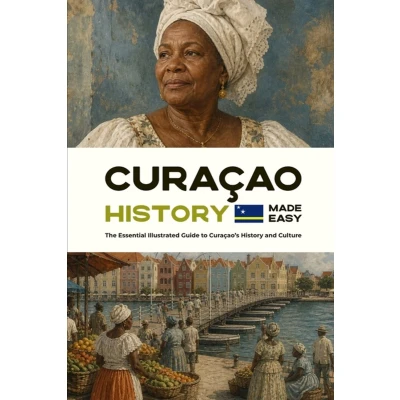
Curaçao's harbor became a meeting place for languages, merchants, enslaved people, oil workers, rebels, and islanders building a country of their own. Mainland connections lead to Spanish arrival, Dutch conquest, the slave trade, Papiamentu, Tula's 1795 revolt, emancipation, the refinery, the uprising of 30 May 1969, and the political choices behind 10 October 2010. The history is maritime, multilingual, and inseparable from questions of power.Did You Know?- Did you know the island's earliest communities maintained close connections with the Venezuelan mainland?- Did you know the Dutch turned Curaçao's natural harbor into a major Atlantic entrepôt?- Did you know Papiamentu developed through African, Iberian, Indigenous, Dutch, Jewish, and migrant contact?- Did you know Tula's 1795 revolt became one of the most important symbols of Curaçaoan resistance?- Did you know the Shell refinery transformed Willemstad and brought workers from across the Caribbean?- Did you know 10 October 2010 created a new constitutional arrangement without making Curaçao fully independent?What This Book Includes- Canoe routes, Willemstad, Tula, the refinery, 30 May, and 10-10-10 marking the island's turning points.- Slavery, language, labor, oil, migration, and political identity shown shaping one another.- The Charter and 10-10-10 explained through the political choices that produced them.- Illustrated scenes that show work and daily life beyond the famous harbor.
 Prijshistorie
 * Prijshistorie bevat geen data van Amazon, Amazon Marketplace.
Prijzen voor het laatst bijgewerkt op:
 Gerelateerde resultaten
 Productspecificaties


