


€ 35,99 Gratis verzending

Uitgelicht
|
|
35,99 |
Naar shop
|

|
45,05 |
Naar shop
|

|
45,05 |
Naar shop
|
| VERGELIJK ALLE AANBIEDERS (3) | ||
 Beschrijving
Vergelijk aanbieders (3)
€ 35,99 Gratis verzending
€ 45,05 Gratis verzending
€ 45,05 Gratis verzending
Winkels met andere maten
Beschrijving
(1)
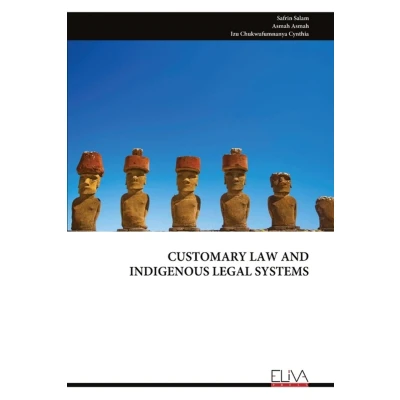
Customary Law and Indigenous Legal Systems examines the role and relevance of customary law within modern plural legal systems. It presents customary law as a living and evolving system that continues to interact with state law and international legal frameworks. The book explores how colonial history marginalized Indigenous legal systems and how decolonial perspectives seek to restore Indigenous legal authority and knowledge. It analyzes constitutional recognition, judicial practice, and international instruments such as UNDRIP, ILO Convention 169, and the principle of Free, Prior, and Informed Consent (FPIC) as tools that can strengthen Indigenous legal autonomy. A major focus of the book is land and natural resource governance, including communal land tenure, territorial rights, environmental management, and conflicts between Indigenous communities, states, and corporations. It also discusses customary courts, mediation, and restorative justice as community-based approaches to resolving disputes.The book critically addresses challenges such as gender inequality, minority protection, and the risk of political manipulation of customary institutions. Finally, it highlights emerging issues such as climate change, digital land documentation, youth leadership, and transnational Indigenous networks. This book serves as an academic reference for scholars, policymakers, practitioners, and students interested in understanding how customary law adapts and functions within contemporary legal and governance systems.
 Prijshistorie
 * Prijshistorie bevat geen data van Amazon, Amazon Marketplace.
Prijzen voor het laatst bijgewerkt op:
 Gerelateerde resultaten
 Productspecificaties


