


€ 87,75 Gratis verzending

Uitgelicht
|
|
87,75 |
Naar shop
|

|
93,54 |
Naar shop
|

|
93,54 |
Naar shop
|
| VERGELIJK ALLE AANBIEDERS (3) | ||
 Beschrijving
Vergelijk aanbieders (3)
€ 87,75 Gratis verzending
€ 93,54 Gratis verzending
€ 93,54 Gratis verzending
Winkels met andere maten
Beschrijving
(1)
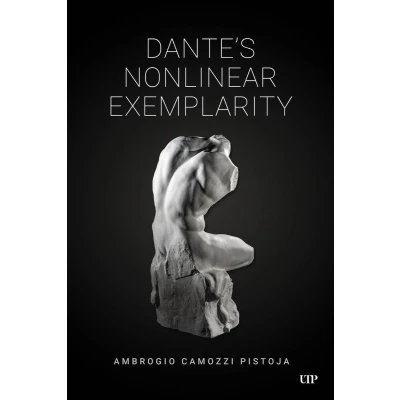
Dante bends the medieval exemplum until it breaks: what looks like a moral lesson refuses to teach, what seems clear sinks back into obscurity, what should persuade disorients. These broken, nonlinear examples make uncertainty the ground of protest, self-cognition, devotion. Examples promise order: they clarify, they instruct, they normalize. Yet in Dante they often falter. Dante’s Nonlinear Exemplarity follows these moments of didactic failure, when the mediation between the universal and the particular breaks down, and the most ordinary of rhetorical tools raises doubts about the truths it is meant to secure. The book traces Dante’s uses of examples across the major works of his maturity – De Vulgari Eloquentia, Banquet, Monarchia, and Comedy – through a single, revealing figure: Alexander the Great. One of only four historical characters to appear in all four texts, Alexander enters Dante’s writing in exemplifications that begin conventionally, then veers off course. Read together, these moments form a through-line for Dante’s evolving reflections on fame, wealth, power, pedagogy, and the instability of language itself. Combining philology, close reading, and cultural history, Dante’s Nonlinear Exemplarity starts from these unstable examples to open up alternative ways of reading the works in which they appear. Each time, form and function pull apart, forcing Dante’s readers to supply coherence themselves and exposing the assumptions they bring to the text. What emerges is a poetics of uncertainty that unsettles standard views of medieval didacticism and reframes how Dante’s major works—and exemplarity itself before Boccaccio – produce meaning.
 Prijshistorie
 * Prijshistorie bevat geen data van Amazon, Amazon Marketplace.
Prijzen voor het laatst bijgewerkt op:
 Gerelateerde resultaten
 Productspecificaties


