

€ 132,82 € 3,14 verzendkosten Totaal € 135,96

Uitgelicht
|
|
132,82 |
Naar shop
|

|
132,82 |
Naar shop
|

|
145,00 |
Naar shop
|
| VERGELIJK ALLE AANBIEDERS (3) | ||
 Beschrijving
Vergelijk aanbieders (3)
€ 132,82 € 3,14 verzendkosten Totaal € 135,96
€ 132,82 € 3,14 verzendkosten Totaal € 135,96
€ 145,00 Gratis verzending
Winkels met andere maten
Beschrijving
(1)
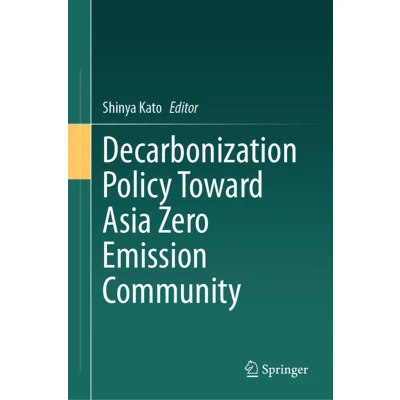
Across ASEAN, decades of rapid economic expansion have improved living standards but also intensified environmental pressures. Rising greenhouse gas emissions, growing energy demand, and accelerating resource depletion now threaten the region’s long‑term development trajectory. These challenges are unfolding at a time when ASEAN countries, together with Japan, have set ambitious carbon‑neutrality goals — targets that require not only national policy innovation, but coordinated regional action. This book provides an in‑depth examination of how Southeast Asia and Japan are navigating the complex transition toward a low‑carbon future. It analyzes the evolution of decarbonization policies across the region, from renewable energy strategies and industrial transformation to carbon pricing mechanisms and environmental tax reforms. Particular attention is given to transition finance and investment frameworks that can mobilize capital for cleaner technologies and resilient infrastructure, as well as the governance structures needed to support them. A central focus of the book is the emerging role of the Asia Zero Emission Community (AZEC), an initiative led by Japan to strengthen cooperation on energy policy, technology deployment, and human resource development. The book explores AZEC’s potential to bridge diverse national contexts, support pragmatic pathways to decarbonization, and enhance regional policy alignment while respecting local conditions and development needs. Drawing on theoretical perspectives, empirical case studies, and policy analysis, this book offers a comprehensive foundation for understanding how Asia can pursue growth while reducing environmental impact. It speaks to scholars, policymakers, investors, and practitioners seeking rigorous insights into the policies, institutions, and cooperative frameworks shaping the region’s low‑carbon transition.
 Prijshistorie
 * Prijshistorie bevat geen data van Amazon, Amazon Marketplace.
Prijzen voor het laatst bijgewerkt op:
 Gerelateerde resultaten
 Productspecificaties


