


€ 39,99 Gratis verzending

Uitgelicht
|
|
39,99 |
Naar shop
|
| VERGELIJK ALLE AANBIEDERS (1) | ||
 Beschrijving
Vergelijk aanbieders (1)
€ 39,99 Gratis verzending
Winkels met andere maten
Beschrijving
(1)
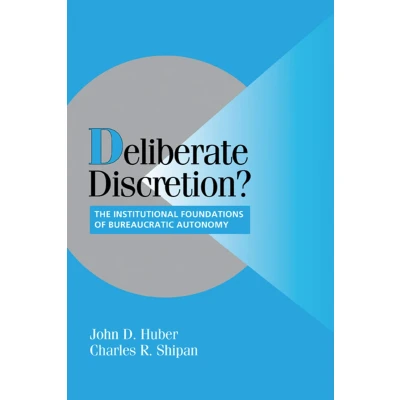
Legislators sometimes write detailed laws that spell out exactly what policies should look like. At other times, however, they write vague laws that allow bureaucrats to make policy. The authors explain why legislators take these different approaches, using labor laws across countries and health policy laws across the U.S. states. The laws that legislatures adopt provide the most important and definitive opportunity elected politicians have to define public policy. But the ways politicians use laws to shape policy varies considerably across polities. In some cases, legislatures adopt detailed and specific laws in efforts to micromanage policy-making processes. In others, they adopt general and vague laws that leave the executive and bureaucrats substantial autonomy to fill in the policy details. What explains these differences across political systems, and how do they matter? The authors address this issue by developing and testing a comparative theory of how laws shape bureaucratic autonomy. Drawing on a range of evidence from advanced parliamentary democracies and the American states, they argue that particular institutional forms have a systematic and predictable effect on how politicians use laws to shape the policy making process.
 Productspecificaties
| EAN |
|
|---|---|
| Maat |
|
 Prijshistorie
 Prijzen voor het laatst bijgewerkt op:
 Gerelateerde resultaten


