

€ 17,27 Gratis verzending

Uitgelicht
|
|
17,27 |
Naar shop
|

|
17,27 |
Naar shop
|

|
17,59 |
Naar shop
|
| VERGELIJK ALLE AANBIEDERS (3) | ||
 Beschrijving
Vergelijk aanbieders (3)
€ 17,27 Gratis verzending
€ 17,27 Gratis verzending
€ 17,59 € 2,99 verzendkosten Totaal € 20,58
Winkels met andere maten
Beschrijving
(1)
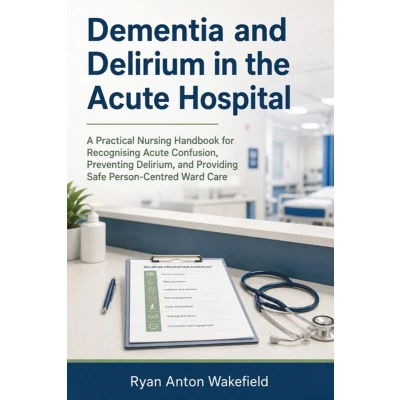
When "confused" is not enough An older patient with dementia becomes drowsier, frightened, restless, withdrawn, or suddenly unlike their usual self. On a busy ward, the important question is not simply whether the patient has dementia. It is whether something has changed, what may be driving that change, and what the nurse should do next. A practical guide for the acute ward Dementia and Delirium in the Acute Hospital helps ward nurses recognise acute cognitive change, distinguish delirium from dementia and depression, use the 4AT appropriately, and respond to common risks without losing sight of the person behind the diagnosis. It translates clinical principles into actions that can be used during medical, surgical, orthogeriatric, respiratory, urology, gastroenterology, and other general ward admissions. The book covers delirium risk and prevention, hypoactive and hyperactive presentations, pain and unmet needs, hydration, nutrition, mobility, sleep, sensory support, communication, distress, refusal of care, wandering, therapeutic observation, family involvement, capacity, safeguarding, handover, and discharge planning. What makes this handbook different The focus is the decision in front of the nurse at the bedside. Rather than treating dementia care, delirium screening, person-centred care, and patient safety as separate subjects, the book connects them through a practical sequence: establish the person's baseline, notice the change, assess what may be happening, act within the nursing role, escalate when needed, and review the response. Realistic ward scenarios show how these principles apply when a patient pulls at a cannula, becomes unusually quiet, repeatedly tries to leave, refuses medication or personal care, cannot explain pain, or appears more confused than usual. The book also applies the VIPS approach to person-centred dementia care and uses HELP-informed prevention principles without presenting routine ward care as formal HELP programme implementation. Who this book is for This book is for readers who are registered nurses working on acute medical, surgical, elderly-care, orthopaedic, respiratory, urology, and gastroenterology wards; newly qualified nurses building confidence with cognitive change; bank and agency nurses who need a clear ward reference; and nursing students preparing for placement or practice with older adults. If you want a practical nursing handbook that helps you move beyond the label of "confusion" and think more clearly about dementia, delirium, acute deterioration, safety, communication, and person-centred ward care, this book provides a structured place to begin.
 Prijshistorie
 * Prijshistorie bevat geen data van Amazon, Amazon Marketplace.
Prijzen voor het laatst bijgewerkt op:
 Gerelateerde resultaten
 Productspecificaties


