


€ 199,00 Gratis verzending

Uitgelicht
|
|
199,00 |
Naar shop
|
| VERGELIJK ALLE AANBIEDERS (1) | ||
 Beschrijving
Vergelijk aanbieders (1)
€ 199,00 Gratis verzending
Winkels met andere maten
Beschrijving
(1)
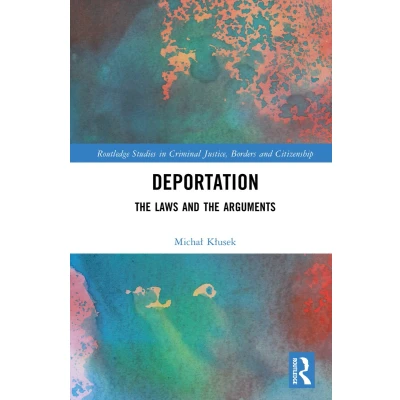
The book brings together lawyers, legal philosophers and sociologists to examine the nature, legitimacy, and morality of deportation regimes around the world. It places theoretical arguments in conversation with the lived complexity of actual legal regimes. Deportation has become one of the central instruments used to manage migration, define membership, and respond to crime. It is unsurprising, then, that it has attracted considerable attention from lawyers, criminologists, and legal sociologists. Yet, despite this extensive empirical scholarship, fundamental theoretical questions remain. Is deportation a form of punishment? When, if ever, is it justified? Who may be deported? And what, ultimately, is deportation meant to achieve? These are among the questions now confronting judges of the European Court of Human Rights, the Supreme Court of the United States, and a range of national constitutional tribunals. This book brings together philosophers, lawyers, and socio-legal scholars to examine these questions from multiple perspectives. The volume opens with a series of normative analyses by some of the world’s leading legal philosophers before turning to research that engages directly with the socio-legal realities of deportation. In doing so, it places theoretical arguments in conversation with the lived complexity of actual legal regimes. The result is a volume that both deepens the legal debate and grounds philosophical reflection in institutional and social reality. This book will be of interest to legal scholars, criminologists, and sociologists. It will also be a useful resource for legal practitioners, policymakers, and all those concerned with migration and deportation.
 Productspecificaties
| EAN |
|
|---|---|
| Maat |
|
 Prijshistorie
 Prijzen voor het laatst bijgewerkt op:
 Gerelateerde resultaten


