


€ 10,50 € 2,99 verzendkosten Totaal € 13,49

Uitgelicht
|
|
10,50 |
Naar shop
|
| VERGELIJK ALLE AANBIEDERS (1) | ||
 Beschrijving
Vergelijk aanbieders (1)
€ 10,50 € 2,99 verzendkosten Totaal € 13,49
Winkels met andere maten
Beschrijving
(1)
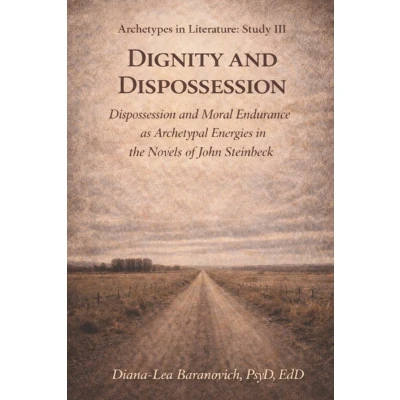
Archetypes in Literature: Study IIIDignity and Dispossession explores how moral life persists under conditions where stability, security and choice can no longer be assumed. In the fiction of John Steinbeck, identity does not collapse through inner excess or tragic ambition. It is shaped by hunger, displacement, labor and inherited poverty. Under these pressures, dignity becomes something practiced rather than possessed.Drawing on depth psychology and archetypal interpretation, this study examines how Steinbeck's characters respond when survival replaces aspiration as the central task of life. Across works such as Of Mice and Men, The Grapes of Wrath, The Pearl, The Red Pony, Cannery Row and East of Eden, familiar archetypal patterns emerge: the vulnerable innocent, the watchful guardian, the fragile dream, the dispossessed community and the burden of moral choice.Rather than treating these figures as symbols or moral lessons, the book approaches them as psychological systems under strain. Care becomes anticipatory. Endurance replaces triumph. Community offers brief shelter before thinning again under pressure.As Steinbeck's fiction widens from individual survival to collective suffering and finally to the return of moral choice in East of Eden, a larger pattern becomes visible. Dispossession does not end moral life. It reveals it.Part of the Archetypes in Literature series, this study continues an exploration of how archetypal tensions, conscience, endurance, desire and responsibility, organize human experience across literary tradition.
 Productspecificaties
| EAN |
|
|---|---|
| Maat |
|
 Prijshistorie
 Prijzen voor het laatst bijgewerkt op:
 Gerelateerde resultaten


