


€ 93,99 Gratis verzending

Uitgelicht
|
|
93,99 |
Naar shop
|

|
106,99 |
Naar shop
|

|
106,99 |
Naar shop
|
| VERGELIJK ALLE AANBIEDERS (3) | ||
 Beschrijving
Vergelijk aanbieders (3)
€ 93,99 Gratis verzending
€ 106,99 Gratis verzending
€ 106,99 Gratis verzending
Winkels met andere maten
Beschrijving
(1)
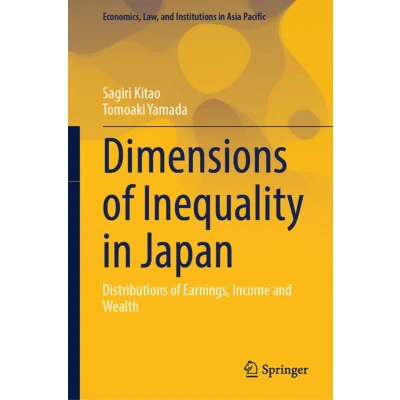
The wealth inequality rose not only in the aggregate but also among the young, and this is due to a major increase in the fraction of households who own zero or very low wealth across all age groups, rather than an increase in the concentration of wealth in the top as in some other countries such as the USA. This book states that inequality has become one of central policy issues across the world. The authors study trends of inequality in earnings, income, and wealth across households in Japan, using the National Survey of Family Income and Expenditure (NSFIE) from 1984 to 2014. Inequality in earnings, income, and wealth all increased during the last three decades. Changes in earnings and income inequality were mostly driven by demographic aging and a shift of the population to the elderly, who tend to have higher inequality. The wealth inequality rose not only in the aggregate but also among the young, and this is due to a major increase in the fraction of households who own zero or very low wealth across all age groups, rather than an increase in the concentration of wealth in the top as in some other countries such as the USA. Critical factors in understanding inequality trends in Japan that we identified are aging demographics, changes in the household structure, and macroeconomic trends of the past decades including the financial bubble period and a decades-long slow-down thereafter.
 Prijshistorie
 * Prijshistorie bevat geen data van Amazon, Amazon Marketplace.
Prijzen voor het laatst bijgewerkt op:
 Gerelateerde resultaten
 Productspecificaties


