


€ 20,00 € 2,99 verzendkosten Totaal € 22,99

Uitgelicht
|
|
20,00 |
Naar shop
|
| VERGELIJK ALLE AANBIEDERS (1) | ||
 Beschrijving
Vergelijk aanbieders (1)
€ 20,00 € 2,99 verzendkosten Totaal € 22,99
Winkels met andere maten
Beschrijving
(1)
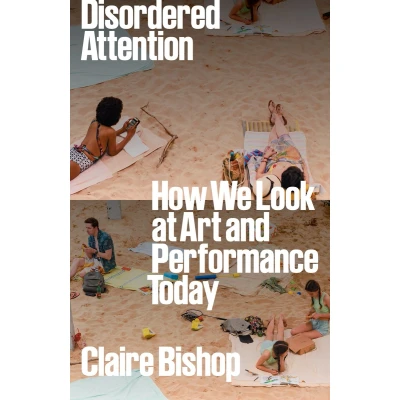
How technology and the attention economy shape contemporary art and performance The reception of art and performance is changing. Smartphones and social media have troubled the old model of individual appreciation and close looking, giving rise to new forms of mediated perception, such as sampling, skimming and scrolling. Charting recent trends in contemporary practice - research-based installations, performance exhibitions, interventions, and invocations of modernist architecture - leading art critic Claire Bishop challenges the assumption that fully focused attention is automatically good and distraction necessarily bad.
 Productspecificaties
| EAN |
|
|---|---|
| Maat |
|
 Prijshistorie
 Prijzen voor het laatst bijgewerkt op:
 Gerelateerde resultaten


