

€ 62,63 Gratis verzending

Gesponsorde links
|
|
62,63 |
Naar shop
|

|
66,35 |
Naar shop
|
| VERGELIJK ALLE AANBIEDERS (2) | ||
 Beschrijving
Vergelijk aanbieders (2)
Gesponsorde links · Sommige shops betalen ons een vergoeding
€ 62,63 Gratis verzending
€ 66,35 Gratis verzending
Winkels met andere maten
Beschrijving
(1)
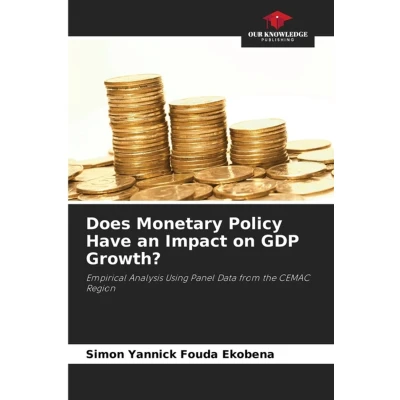
The economic literature highlights an ongoing debate regarding the impact of monetary policy on economic activity. In the early 1990s, the monetary policies of CEMAC countries underwent significant reforms aimed at making them more flexible and effective. This study aims to determine the impact of monetary policy on economic growth in the CEMAC region. To account for the country-specific and time-specific characteristics of growth patterns, we use the generalized method of moments in a dynamic panel analysis to examine the impact of monetary shocks on economic growth. In general, the results show that monetary policy focused on the role played by nominal money and credit aggregates does not influence economic growth in the CEMAC zone; we also note that inflation has a negative effect on economic growth. These results highlight the adverse effects of excess bank liquidity on the transmission of monetary policy shocks, as well as the constraints associated with the CFA franc's peg to the euro.
 Prijshistorie
* Prijshistorie bevat geen data van Amazon.
Prijzen voor het laatst bijgewerkt op:
 Gerelateerde resultaten
 Productspecificaties


