

€ 30,62 Gratis verzending

Gesponsorde links
|
|
30,62 |
Naar shop
|

|
30,62 |
Naar shop
|

|
31,99 |
Naar shop
|
| VERGELIJK ALLE AANBIEDERS (3) | ||
 Beschrijving
Vergelijk aanbieders (3)
Gesponsorde links · Sommige shops betalen ons een vergoeding
€ 30,62 Gratis verzending
€ 30,62 Gratis verzending
€ 31,99 Gratis verzending
Winkels met andere maten
Beschrijving
(1)
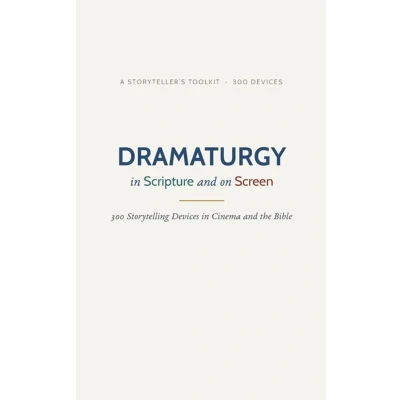
One grammar, told twice.Every story, however new it feels, is built from parts that older stories used first - a hero who refuses a call, a planted detail that returns to fire, a prophecy fulfilled in the one way no one foresaw. Dramaturgy in Scripture and on Screen gathers three hundred of these storytelling devices and, for each one, does three things.- Explains it - a clear definition that names, wherever it can be traced, the mind or the work that first gave the device its name: Aristotle, Freytag, Campbell and Vogler, Blake Snyder, Robert Alter, and many more.- Shows it on screen - a familiar moment from film, from Casablanca to Parasite.- Shows it in Scripture - a biblical scene that turns on the very same device, with its reference given so you can look it up.The result is a claim made quietly, three hundred times over: that the grammar of storytelling is one grammar - that the same device a screenwriter uses in a darkened cinema is the one an ancient narrator used on the page, and that seeing the two side by side illuminates both.Arranged not alphabetically but by kind - from the structural beats that give a story its shape to the many ways a story can end - and gathered into nineteen thematic chapters (A-S), it is at once a study of craft and a companion to keep close. Seven appendices lay out the great frameworks (Aristotle's Poetics, Freytag's pyramid, the hero's journey, Field's three acts, Snyder's beat sheet, and more), with diagrams; three reference lists credit every source, literary work, and film cited; and a full index leads to every entry by page.For screenwriters, novelists, students of the Bible, teachers, and anyone who loves how stories work.
 Prijshistorie
* Prijshistorie bevat geen data van Amazon, Amazon Marketplace.
Prijzen voor het laatst bijgewerkt op:
 Gerelateerde resultaten
 Productspecificaties


