
Driving Towards Socialism: Society, Power, and Cars in Poland 1945-1970: 50
Uitgelicht

|
62,99 |
Naar shop
|

|
69,32 |
Naar shop
|

|
69,32 |
Naar shop
|
| VERGELIJK ALLE AANBIEDERS (3) | ||
 Beschrijving
Bol
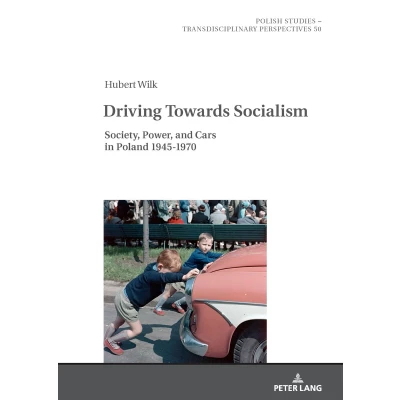
This book explores the journey of Polish mass motorisation (1945-1970) under socialism. Initial plans for individual cars were replaced by collective transport. The study analyses planning and market struggles, revealing the paradoxes of a planned economy facing citizens' deep desire for personal freedom on four wheels. The history of Polish mass motorisation in the post-war era offers a unique lens through which to view the socio-economic priorities and constraints of the Soviet-influenced socialist state. This book delves into the fascinating, often frustrating, journey of individual motoring in Poland from the close of World War II to the early 1970s. This comprehensive study traces the shift from initial optimistic plans for individual car production—quickly abandoned in favor of collective transport and heavy vehicles—to the eventual, limited introduction of domestically produced models. By analysing government planning, foreign licensing decisions, and the burgeoning informal car market, the book demonstrates how personal mobility remained a scarce, highly regulated commodity, growing significantly yet lagging far behind Poland's socialist and Western neighbours. This book invites the reader to explore the paradoxes of a planned economy struggling to reconcile ideological goals with the profound, evolving desires of its citizens for personal freedom on four wheels.


 Beschrijving
(1)
Beschrijving
(1)
This book explores the journey of Polish mass motorisation (1945-1970) under socialism. Initial plans for individual cars were replaced by collective transport. The study analyses planning and market struggles, revealing the paradoxes of a planned economy facing citizens' deep desire for personal freedom on four wheels. The history of Polish mass motorisation in the post-war era offers a unique lens through which to view the socio-economic priorities and constraints of the Soviet-influenced socialist state. This book delves into the fascinating, often frustrating, journey of individual motoring in Poland from the close of World War II to the early 1970s. This comprehensive study traces the shift from initial optimistic plans for individual car production—quickly abandoned in favor of collective transport and heavy vehicles—to the eventual, limited introduction of domestically produced models. By analysing government planning, foreign licensing decisions, and the burgeoning informal car market, the book demonstrates how personal mobility remained a scarce, highly regulated commodity, growing significantly yet lagging far behind Poland's socialist and Western neighbours. This book invites the reader to explore the paradoxes of a planned economy struggling to reconcile ideological goals with the profound, evolving desires of its citizens for personal freedom on four wheels.
 Productspecificaties
 Prijshistorie
* Prijshistorie bevat geen data van Amazon, Amazon Marketplace.
Prijzen voor het laatst bijgewerkt op:
 Gerelateerde resultaten


