


€ 125,00 Gratis verzending

Gesponsorde links
|
|
125,00 |
Naar shop
|

|
125,93 |
Naar shop
|
| VERGELIJK ALLE AANBIEDERS (2) | ||
 Beschrijving
Vergelijk aanbieders (2)
Gesponsorde links · Sommige shops betalen ons een vergoeding
€ 125,00 Gratis verzending
€ 125,93 Gratis verzending
Winkels met andere maten
Beschrijving
(1)
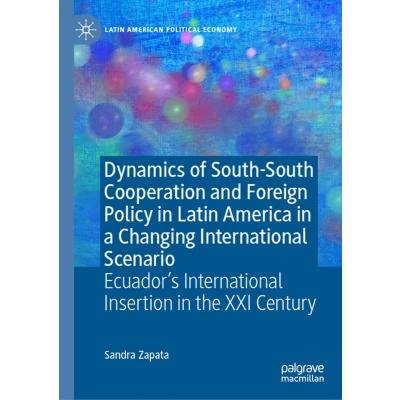
This book explores how South-South Cooperation (SSC) is influencing Latin America’s foreign policy and development choices in a changing world shaped by China’s growing global role. It looks at how countries in the region are rethinking their international strategies to gain more autonomy and reduce their dependence on traditional powers like the United States. By examining the history of SSC, the book shows how Latin American governments are turning to new partnerships and development paths. It explains how global and domestic factors combine to shape foreign policy decisions in the 21st century, especially as both China and the United States compete for influence. A detailed case study of Ecuador (2000–2025) highlights the counter-hegemonic diplomacy of Rafael Correa’s presidency and the key changes that followed. This accessible and timely study offers valuable insight for anyone interested in Latin America, international cooperation, global power shifts, and the search for new models of development. Sandra Zapata, Ph.D., is a Research Fellow at Ca’ Foscari University of Venice, Italy. She was previously a postdoctoral researcher at FAU Erlangen-Nürnberg, Germany. She holds degrees from the University of Salamanca, Seoul National University, and FLACSO Ecuador. Her research focuses on South-South Cooperation and EU–LAC relations amid US–China rivalry. This book explores how South-South Cooperation (SSC) is influencing Latin America’s foreign policy and development choices in a changing world shaped by China’s growing global role. It looks at how countries in the region are rethinking their international strategies to gain more autonomy and reduce their dependence on traditional powers like the United States. By examining the history of SSC, the book shows how Latin American governments are turning to new partnerships and development paths. It explains how global and domestic factors combine to shape foreign policy decisions in the 21st century, especially as both China and the United States compete for influence. A detailed case study of Ecuador (2000–2025) highlights the counter-hegemonic diplomacy of Rafael Correa’s presidency and the key changes that followed. This accessible and timely study offers valuable insight for anyone interested in Latin America, international cooperation, global power shifts, and the search for new models of development.
 Prijshistorie
* Prijshistorie bevat geen data van Amazon.
Prijzen voor het laatst bijgewerkt op:
 Gerelateerde resultaten
 Productspecificaties


