


€ 66,71 Gratis verzending

Uitgelicht
|
|
66,71 |
Naar shop
|

|
66,71 |
Naar shop
|
| VERGELIJK ALLE AANBIEDERS (2) | ||
 Beschrijving
Vergelijk aanbieders (2)
€ 66,71 Gratis verzending
€ 66,71 € 3,14 verzendkosten Totaal € 69,85
Winkels met andere maten
Beschrijving
(1)
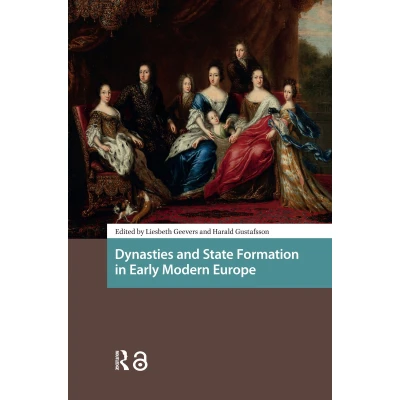
This collection of essays highlights the horizontal perspective (ruler, all children, siblings, cousins), in asking how the members of a princely family acted as a power network. The quest is to develop an understanding how this family network interplayed with other factors in the state formation process. In state formation research, princely houses have been a blind spot. The development of states has been discussed from many perspectives, like interstate competition, internal social conflicts, fiscal-military developments, etc., but at the centre of most European states, there was a princely house. These ruling houses have been overlooked in studies about state formation. What’s more, when discussing such dynasties, the vertical chronological perspective (grandfather-father-son) is all dominating, for instance in the focus on dynastic continuity, dynastic culture and representation, and the like. This collection of essays highlights the horizontal perspective (ruler, all children, siblings, cousins), in asking how the members of a princely family acted as a power network. The quest is to develop an understanding how this family network interplayed with other factors in the state formation process. This volume brings together existing knowledge of the topic with the aim of exchanging insights and furthering knowledge.
 Prijshistorie
 * Prijshistorie bevat geen data van Amazon.
Prijzen voor het laatst bijgewerkt op:
 Gerelateerde resultaten
 Productspecificaties


