

€ 63,38 Gratis verzending

Uitgelicht
|
|
63,38 |
Naar shop
|

|
63,38 |
Naar shop
|

|
63,38 |
Naar shop
|
| VERGELIJK ALLE AANBIEDERS (3) | ||
 Beschrijving
Vergelijk aanbieders (3)
€ 63,38 Gratis verzending
€ 63,38 Gratis verzending
€ 63,38 Gratis verzending
Winkels met andere maten
Beschrijving
(1)
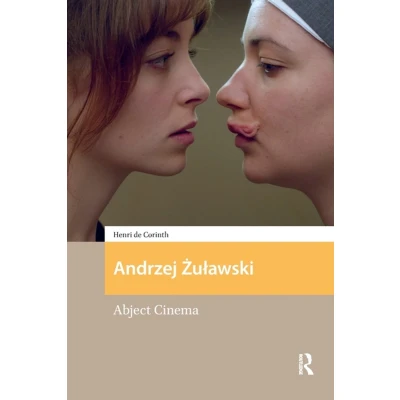
Interprets the director’s oeuvre through the methodological lens of Julia Kristeva’s notions of the abject and the semiotic chora. It addresses the entirety of Zulawski’s filmography and not just his genre films. Andrzej Zulawski (1940–2016) was born in Lwów, Poland (now Lviv, Ukraine) and educated in Paris. From 1971 to 2015 he directed thirteen feature films. Andrzej Zulawski: Abject Cinema interprets the director’s oeuvre through the methodological lens of Julia Kristeva’s notions of the abject and the semiotic chora, with the narratives in Zulawski’s filmography amounting to an experience of the abject -being not merely the state of affairs among the films’ subjects but also of their collective regression to a semiotic non-verbal state divorced from the symbolic verbal-visual language employed by cinema as a whole. It further contextualizes this interpretation with the sociopolitical circumstances from which Zulawski emerged, specifically his Polish homeland occupied by various foreign powers, his emigre status in France, and the influence of the Polish Romantic movement.
 Prijshistorie
 * Prijshistorie bevat geen data van Amazon, Amazon Marketplace.
Prijzen voor het laatst bijgewerkt op:
 Gerelateerde resultaten
 Productspecificaties


