


gebruikt € 43,99 Gratis verzending

Uitgelicht
|
|
43,99 |
Naar shop
|
| VERGELIJK ALLE AANBIEDERS (1) | ||
 Beschrijving
Vergelijk aanbieders (1)
gebruikt € 43,99 Gratis verzending
Winkels met andere maten
Beschrijving
(1)
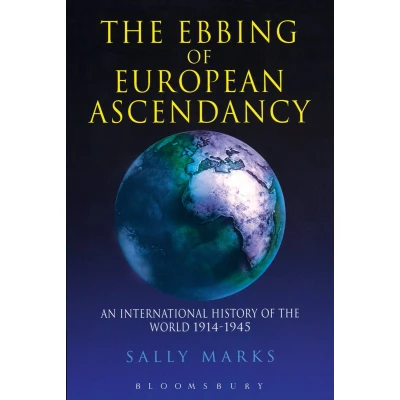
In the space of little over thirty years, the world was transformed. Europe's great powers were no longer ascendant and the US became a 'superpower'. This book assesses what happened during that time. Stressing the role of empire and the nonwestern world, it offers a truly international picture of the period. In a space of little over 30 years, the world was transformed. The European great powers were no longer ascendant, even if that was not yet fully revealed to them, and the US, a regional power as of 1914, now belonged to the wholly new category of "superpower." What happened in this short period to work such a dramatic change? The answer lies neither in Europe alone nor in the West more broadly, and one of the virtues of this bold new international history of the period that Africa, Asia, the Middle East, and Latin America are allowed to play their parts. It treats the Asian and European crises and wars of 1931-45, for example, as a single interlocking whole, as world leaders at the time were forced to do. It also acknowledges to an unusual degree the importance of imperial and economic circumstances in framing the policies of states towards one another.
 Productspecificaties
| EAN |
|
|---|---|
| Maat |
|
 Gerelateerde resultaten


