


€ 194,10 Gratis verzending

Gesponsorde links
|
|
194,10 |
Naar shop
|

|
220,80 |
Naar shop
|

|
220,80 |
Naar shop
|
| VERGELIJK ALLE AANBIEDERS (3) | ||
 Beschrijving
Vergelijk aanbieders (3)
Gesponsorde links · Sommige shops betalen ons een vergoeding
€ 194,10 Gratis verzending
€ 220,80 Gratis verzending
€ 220,80 Gratis verzending
Winkels met andere maten
Beschrijving
(1)
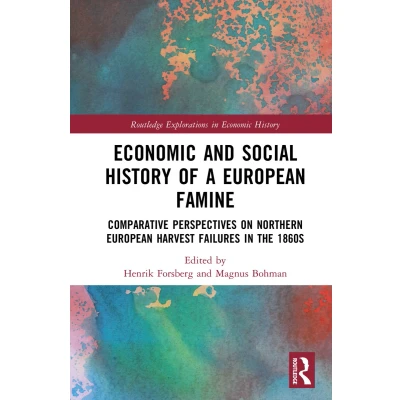
Why do efforts to combat hunger succeed in some regions but fail in others? History offers many examples of agricultural societies facing severe harvest failures and subsequent food shortages, yet with strikingly different outcomes. Why do efforts to combat hunger succeed in some regions but fail in others? History offers many examples of agricultural societies facing severe harvest failures and subsequent food shortages, yet with strikingly different outcomes. In some regions, crop failure triggered catastrophic famine and mass mortality; elsewhere, communities managed to compensate for losses and avoided famine altogether, or endured shortages with only limited consequences. This book compares how regions around the Baltic Sea responded to severe food supply crises during the late 1860s. The decade provides a revealing historical laboratory in which states and regions confronted similar shortages but from very different levels of economic, social, and political development. Scholarship on the best-known crisis of the period, the Great Finnish Famine of 1866–1868, has often overlooked the broader context of simultaneous harvest failures and subsistence crises in neighbouring regions, as well as the connections between them. Adopting a transnational and regionally comparative perspective, this volume examines famine as an entangled crisis across the Baltic Sea Area. Although harvest failures and food shortages affected much of the area, famine was far from universal. Through regional analyses of agricultural production, politics, demography, and market interactions within and across state boundaries—including Finland, Sweden, Estonia, northern Germany, and northwestern Russia—the book offers a new, broader and more historically integrated account of food crises in Northern Europe during a formative period. This volume is valuable to researchers and students of European economic and social history, particularly those interested in famine, demography, regional studies, and rural history.
 Prijshistorie
* Prijshistorie bevat geen data van Amazon, Amazon Marketplace.
Prijzen voor het laatst bijgewerkt op:
 Gerelateerde resultaten
 Productspecificaties


