


€ 205,00 Gratis verzending

Uitgelicht
|
|
205,00 |
Naar shop
|

|
281,18 |
Naar shop
|

|
281,18 |
Naar shop
|
| VERGELIJK ALLE AANBIEDERS (3) | ||
 Beschrijving
Vergelijk aanbieders (3)
€ 205,00 Gratis verzending
€ 281,18 Gratis verzending
€ 281,18 Gratis verzending
Winkels met andere maten
Beschrijving
(1)
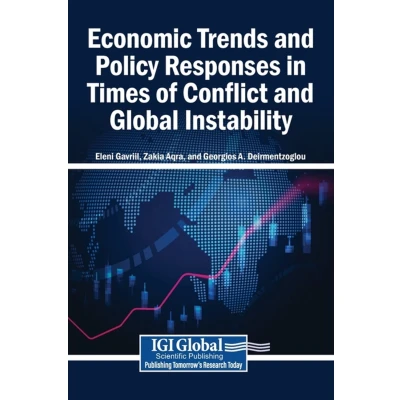
Global fragmentation has quietly rewritten the rules of international economics. Rising geopolitical tensions have reshaped the global economy and challenged long-standing assumptions about the relationship between economic integration and stability. As countries adapt to a changing international order, economic considerations have become increasingly central to geopolitical competition. The boundaries between economics and security are becoming less distinct, with decisions in one sphere often carrying consequences in the other. Understanding contemporary instability therefore requires a deeper appreciation of the economic forces shaping international relations today. Economic Trends and Policy Responses in Times of Conflict and Global Instability examines the growing relationship between economic change and geopolitical instability in an increasingly fragmented world. Bringing together perspectives that are often considered separately, this book explores how economic forces shape conflict and influence international outcomes. By connecting theoretical perspectives with contemporary developments, this book offers valuable insights into the economic dimensions of conflict in the twenty-first century. Covering topics such as economic statecraft, modern warfare, and trade fragmentation, this book is an indispensable academic resource for graduate and doctoral students, economists and political economists, foreign policy practitioners, international organizations, development agencies, policymakers, and more.
 Prijshistorie
 * Prijshistorie bevat geen data van Amazon, Amazon Marketplace.
Prijzen voor het laatst bijgewerkt op:
 Gerelateerde resultaten
 Productspecificaties


