


€ 145,00 Gratis verzending

Gesponsorde links
|
|
145,00 |
Naar shop
|

|
158,40 |
Naar shop
|

|
158,40 |
Naar shop
|
| VERGELIJK ALLE AANBIEDERS (3) | ||
 Beschrijving
Vergelijk aanbieders (3)
Gesponsorde links · Sommige shops betalen ons een vergoeding
€ 145,00 Gratis verzending
€ 158,40 Gratis verzending
€ 158,40 Gratis verzending
Winkels met andere maten
Beschrijving
(1)
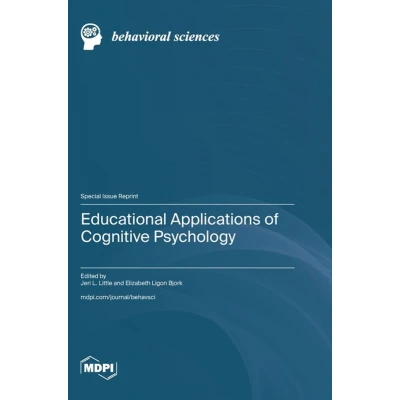
Research in cognitive psychology has increased our understanding of how to optimize knowledge retention and transfer (e.g., Dunlosky et al., 2013; Mayer, 2008; Roediger and Pyc, 2012). For example, study strategies that feel easy for learners are not always desirable in terms of producing learning that is both durable and generalizable (e.g., Bjork and Bjork, 2011). Research on such desirable difficulties (e.g., testing oneself, spacing out one's study, and interleaving examples from different categories) has applications both for how to construct more effective learning experiences and for how to understand and perhaps enlighten learners' misconceptions about how to achieve optimal learning. Additionally, attributes of an individual (e.g., individual differences in working memory, strategy, etc.) can influence the effectiveness of these learning strategies. This Reprint focuses on some of the major research findings on how to optimize retention and transfer and what learners know about these processes and includes new contributions that extend beyond these central themes. We also offer practical recommendations for effective teaching and learning and provide avenues for future research.
 Prijshistorie
* Prijshistorie bevat geen data van Amazon, Amazon Marketplace.
Prijzen voor het laatst bijgewerkt op:
 Gerelateerde resultaten
 Productspecificaties


