
Cambridge University Press Colonial Senses: Sensorial Regimes and Anti-Colonial Resistance
Uitgelicht

|
63,99 |
Naar shop
|

|
152,02 |
Naar shop
|

|
152,02 |
Naar shop
|
| VERGELIJK ALLE AANBIEDERS (3) | ||
 Beschrijving
Bol
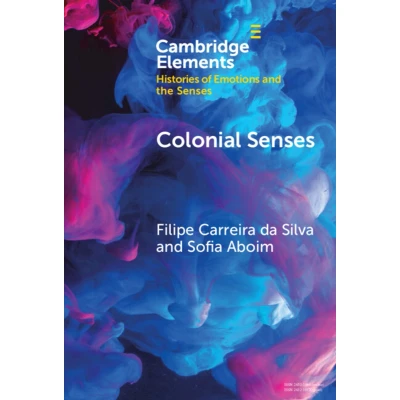
'Colonial Senses' explores how Portuguese late colonialism and its afterlives are experienced and resisted through the senses. Moving beyond a purely textual analysis, the Element examines the insurgent optics of Amílcar Cabral, the feminist haptics of Paulina Chiziane and the sonic politics of Black female activists in post-colonial Lisbon. The Element posits that Portuguese late colonialism's sensory regime prioritised proximity and aesthetic contact in order to mask violence and stifle dissent. Using social theory, literature and ethnography, we analyse a variety of visual, tactile and auditory registers. We offer a new hypothesis on the sensory architecture of empire: that the Portuguese colonial empire developed a distinctive multisensory regime structured around aestheticised contact, intimate violence and the suppression of autonomous sensory expression. Combining historical and sociological analysis, this Element demonstrates how sensory colonial legacies endure into the present and contributes to sensory and postcolonial studies.


 Beschrijving
(2)
Beschrijving
(2)
'Colonial Senses' explores how Portuguese late colonialism and its afterlives are experienced and resisted through the senses. Moving beyond a purely textual analysis, the Element examines the insurgent optics of Amílcar Cabral, the feminist haptics of Paulina Chiziane and the sonic politics of Black female activists in post-colonial Lisbon. The Element posits that Portuguese late colonialism's sensory regime prioritised proximity and aesthetic contact in order to mask violence and stifle dissent. Using social theory, literature and ethnography, we analyse a variety of visual, tactile and auditory registers. We offer a new hypothesis on the sensory architecture of empire: that the Portuguese colonial empire developed a distinctive multisensory regime structured around aestheticised contact, intimate violence and the suppression of autonomous sensory expression. Combining historical and sociological analysis, this Element demonstrates how sensory colonial legacies endure into the present and contributes to sensory and postcolonial studies.
AmazonPagina's: 86, Hardcover, Cambridge University Press
 Productspecificaties
 Prijshistorie
* Prijshistorie bevat geen data van Amazon, Amazon Marketplace.
Prijzen voor het laatst bijgewerkt op:
 Gerelateerde resultaten


