


€ 36,99 Gratis verzending

Uitgelicht
|
|
36,99 |
Naar shop
|

|
45,05 |
Naar shop
|

|
45,05 |
Naar shop
|
| VERGELIJK ALLE AANBIEDERS (3) | ||
 Beschrijving
Vergelijk aanbieders (3)
€ 36,99 Gratis verzending
€ 45,05 Gratis verzending
€ 45,05 Gratis verzending
Winkels met andere maten
Beschrijving
(1)
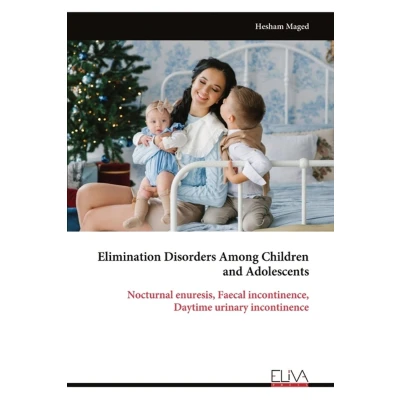
Elimination disorders are childhood conditions involving repeated, involuntary or intentional urination (enuresis) or defecation (encopresis) in inappropriate places, such as clothing or bedding, beyond the expected age of toilet training (typically age 5 for enuresis, age 4 for encopresis). These conditions are often linked to stress, developmental delays, or chronic constipation. Types of Elimination Disorders, Enuresis (Urinary Incontinence): The repeated voiding of urine into clothes or bed. Nocturnal Enuresis: Bedwetting at night (most common). Diurnal Enuresis: Wetting during the day. Primary vs. Secondary: Primary means the child has never mastered bladder control; secondary occurs when control was previously established. Encopresis (Fecal Incontinence): The repeated passage of feces into inappropriate places, often linked to chronic constipation causing overflow incontinence. Symptoms Enuresis: Bedwetting, daytime accidents, irritability, fatigue. Encopresis: Constipation, hard/painful stools, liquid stool leakage, abdominal pain, loss of appetite, and secretive behavior regarding bowel movements. Causes and Risk Factors: Constipation: A major cause of encopresis, where a large, hard fecal mass builds up and causes leakage. Developmental/Physiological: Small bladder capacity, deep sleep patterns, or slow development of the nervous system. Psychological/Stress: High stress, anxiety, or emotional issues can trigger these disorders. Comorbidities: Often associated with attention-deficit hyperactivity disorder (ADHD) or behavioral issues. Treatments: Behavioral Therapy: Regular toilet habits, reward systems, and limiting fluids before bed. Enuresis Treatments: Bed alarms ("bell and pad") to wake the child upon wetting, and in some cases, medications (e.g., desmopressin). Encopresis Treatments: High-fiber diets, laxatives, and stool softeners to manage constipation, overseen by a physician. Most children outgrow these conditions with proper support and treatment.
 Prijshistorie
 * Prijshistorie bevat geen data van Amazon, Amazon Marketplace.
Prijzen voor het laatst bijgewerkt op:
 Gerelateerde resultaten
 Productspecificaties


