

€ 51,35 Gratis verzending

Uitgelicht
|
|
51,35 |
Naar shop
|

|
51,35 |
Naar shop
|

|
52,99 |
Naar shop
|
| VERGELIJK ALLE AANBIEDERS (3) | ||
 Beschrijving
Vergelijk aanbieders (3)
€ 51,35 Gratis verzending
€ 51,35 Gratis verzending
€ 52,99 Gratis verzending
Winkels met andere maten
Beschrijving
(1)
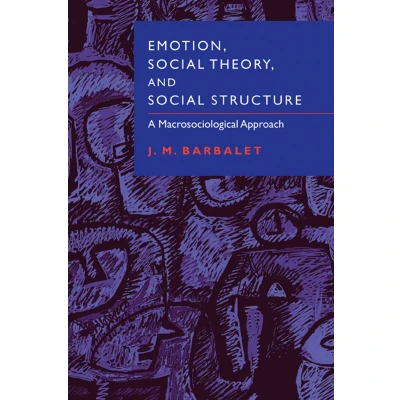
This book examines the central roles which emotions such as fear, resentment, shame, and confidence play in social processes. J. M. Barbalet demonstrates the centrality of emotions to everyday social interaction, and, in doing so, re-evaluates the nature and history of social theory itself. Emotion, Social Theory, and Social Structure takes sociology in a new direction. It examines key aspects of social structure by using a fresh understanding of emotions categories. Through that synthesis emerge new perspectives on rationality, class structure, social action, conformity, basic rights, and social change. As well as giving an innovative view of social processes, J. M. Barbalet's study also reveals unappreciated aspects of emotions by considering fear, resentment, vengefulness, shame, and confidence in the context of social structure. While much has been written on the social consequences of excessive or pathological emotions, this book demonstrates the centrality of emotions to routine operations of social interaction. Dr Barbalet also re-evaluates the nature of social theory, for once the importance of emotions to social processes becomes clear, the intellectual constitution of sociology, and therefore its history, must be rethought.
 Prijshistorie
 * Prijshistorie bevat geen data van Amazon, Amazon Marketplace.
Prijzen voor het laatst bijgewerkt op:
 Gerelateerde resultaten
 Productspecificaties


