


€ 97,99 Gratis verzending

Uitgelicht
|
|
97,99 |
Naar shop
|
| VERGELIJK ALLE AANBIEDERS (1) | ||
 Beschrijving
Vergelijk aanbieders (1)
€ 97,99 Gratis verzending
Winkels met andere maten
Beschrijving
(1)
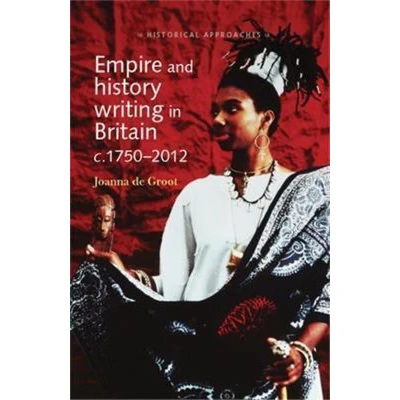
Offers both a narrative and an analysis of the influence of British imperial involvements on history writing since 1750 This book offers both a narrative and an analysis of the influence of British imperialism on history writing since 1750. It takes a distinctive approach to this topic by exploring ‘imperial’ elements within history writing in general, as well as writing on the history of empire itself, suggesting that the effects of empire on the production of historical texts should be understood as a pervasive rather than a narrowly focussed influence. It sets history writing in the context of changing imperial involvements, and of the changing settings and readerships in which it was produced.The discussion has a chronological framework which establishes a narrative across time, and traces the development of practices which passed from one generation of history writers to another. Each chronological section of the book also has an analytical structure based on the examination of three themes, which are identified in the introductory chapter as key links between imperial experience and some of the prevalent concerns of history writing. Firstly, imperial involvements impacted on understandings of state power and governance; secondly, imperial and global expansion transformed views of ‘civilisation’ and ‘progress’; thirdly, that expansion contributed to the development of ideas of ‘nation’ and ‘race’. The book thus offers students and scholars both an account of the genealogy of history writing in Britain, and an analysis of structural connections between histories of empire and that of history writing, based on consideration of a range of canonical, popular and educational history texts. This wide-ranging and accessible book examines the effects of British imperial involvements on history writing in Britain since 1750. It provides a chronological account of the development of history writing in its social, political, and cultural contexts, and an analysis of the structural links between those involvements and the dominant concerns of that writing. The author looks at the impact of imperial and global expansion on the treatment of government, of social structures and changes and of national and ethnic identity in scholarly and popular works, in school histories, and in ‘famous’ history books. In a clear and student-friendly way, the book argues that involvement in empire played a transformative and central role within history writing as whole, reframing its basic assumptions and language, and sustaining a significant ‘imperial’ influence across generations of writers and diverse types of historical text.
 Productspecificaties
| EAN |
|
|---|---|
| Maat |
|
 Prijshistorie
 Prijzen voor het laatst bijgewerkt op:
 Gerelateerde resultaten


