
Encounters in the New World
Uitgelicht
|
30,37 |
Naar shop
|
|
52,99 |
Naar shop
|
Beschrijving
Bol
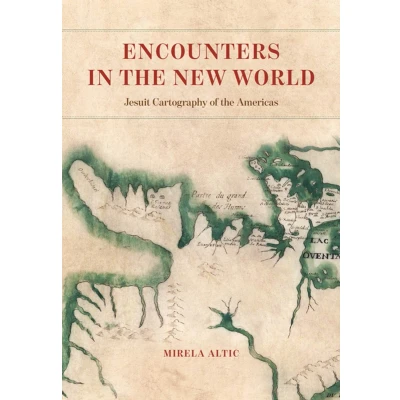
Analyzing more than 150 historical maps, this book traces the Jesuits’ significant contributions to mapping and mapmaking from their arrival in the New World. In 1540, in the wake of the tumult brought on by the Protestant Reformation, Saint Ignatius of Loyola founded the Society of Jesus, also known as the Jesuits. The Society’s goal was to revitalize the faith of Catholics and to evangelize to non-Catholics through charity, education, and missionary work. By the end of the century, Jesuit missionaries were sent all over the world, including to South America. In addition to performing missionary and humanitarian work, Jesuits also served as cartographers and explorers under the auspices of the Spanish, Portuguese, and French crowns as they ventured into remote areas to find and evangelize to native populations. In Encounters in the New World, Mirela Altic analyzes more than 150 of their maps, most of which have never previously been published. She traces the Jesuit contribution to mapping and mapmaking from their arrival in the New World into the post-suppression period, placing it in the context of their worldwide undertakings in the fields of science and art. Altic’s analysis also shows the incorporation of indigenous knowledge into the Jesuit maps, effectively making them an expression of cross-cultural communication—even as they were tools of colonial expansion. This ambiguity, she reveals, reflects the complex relationship between missions, knowledge, and empire. Far more than just a physical survey of unknown space, Jesuit mapping of the New World was in fact the most important link to enable an exchange of ideas and cultural concepts between the Old World and the New.
Bol PartnerFrom Columbus's voyage in 1492 to the publication of the autobiography of Olaudah Equiano, a former slave, in 1789, Jill Lepore, winner of the distinguished Bancroft Prize for history, brings to life in exciting, first-person detail some of the earliest events in American history in Encounters in the New World. From Columbus's voyage in 1492 to the publication of the autobiography of Olaudah Equiano, a former slave, in 1789, Jill Lepore, winner of the distinguished Bancroft Prize for history, brings to life in exciting, first-person detail some of the earliest events in American history in Encounters in the New World. Providing fascinating commentary along the way, Lepore seamlessly links together primary sources that illustrate the powerful clash of cultures in the Americas. Through emotional eyewitness accounts -- memoirs, petitions, diaries, captivity narratives, private correspondence -- formal documents, official reports, and journalistic reportage, dramatic stories of the New World are revealed, including: * A Jesuit priest's chronicle of life among his Iroquois captors * Aztec records of forbidding omens * John Smith's account of cannibalism among the British residents of Jamestown * Memoirs by members of Cortes's expedition * Reminiscences of an escaped slave A special 16-page color cartographic section, including maps from both Europe and North America, provides a fascinating look at how the maps' creators saw themselves and the world around them.
Productspecificaties
| EAN |
|
|---|---|
| Maat |
|
Prijshistorie
Prijzen voor het laatst bijgewerkt op:
