


€ 90,99 Gratis verzending

Gesponsorde links
|
|
90,99 |
Naar shop
|

|
138,73 |
Naar shop
|
| VERGELIJK ALLE AANBIEDERS (2) | ||
 Beschrijving
Vergelijk aanbieders (2)
Gesponsorde links · Sommige shops betalen ons een vergoeding
€ 90,99 Gratis verzending
€ 138,73 € 6,48 verzendkosten Totaal € 145,21
Winkels met andere maten
Beschrijving
(1)
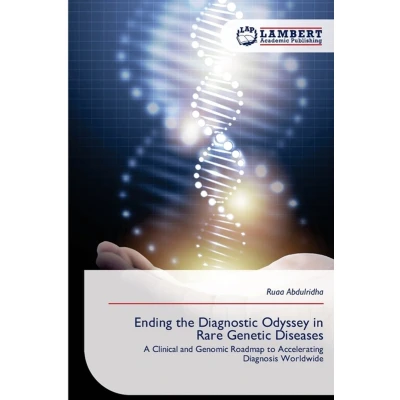
This text proposes a patient-centered redesign of the diagnostic system for rare genetic diseases. Resolving the prolonged "diagnostic odyssey" requires integrating family phenotypic data with whole-genome sequencing, multidisciplinary teams, and continuous re-analysis, rather than just adopting new technologies.The framework spans four chapters:Chapter 1: Shows how advanced sequencing is absorbed into outdated clinical workflows, necessitating systemic reorganization.Chapter 2: Reframes diagnostics around patients, using the Human Phenotype Ontology to translate qualitative narratives into computational data.Chapter 3: Analyzes systemic bottlenecks and reviews innovations (e.g., long-read sequencing, AI) that elevate diagnostic yields.Chapter 4: Proposes a lifelong care architecture involving longitudinal consent, continuous results delivery, and seamless care transitions.Empirical benchmarks from pioneering programs (e.g., Karolinska, Solve-RD) prove this integrated approach is feasible. The ultimate goal is to expand these models to historically excluded populations while securing sustainable financial and policy frameworks.
 Prijshistorie
* Prijshistorie bevat geen data van Amazon.
Prijzen voor het laatst bijgewerkt op:
 Gerelateerde resultaten
 Productspecificaties


