


€ 50,99 Gratis verzending

Uitgelicht
|
|
50,99 |
Naar shop
|
| VERGELIJK ALLE AANBIEDERS (1) | ||
 Beschrijving
Vergelijk aanbieders (1)
€ 50,99 Gratis verzending
Winkels met andere maten
Beschrijving
(1)
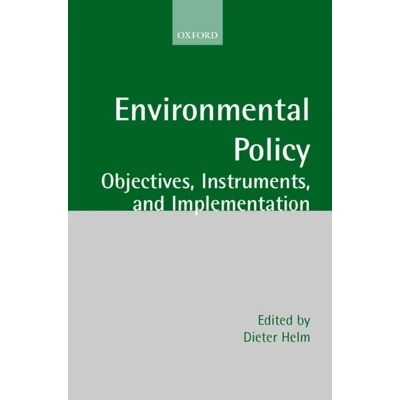
This volume focuses on the practical design of economic instruments for environmental policy. It is divided into three parts: the overarching policy context; the choice of policy instruments; and applications to the main sectors of the economy. The twentieth century witnessed unparalleled economic growth among developed countries, largely based upon the exploitation of fossil fuels, and unparalleled population growth in developing countries. These broad trends in turn did massive damage to the environment. Biodiversity has suffered its biggest reverse since the last great extinctions in geological time, and the burning of fossil fuels has begun to change our climate. But it was only at the end of the century that environmental concerns were transformed from a narrow sectional interest, moving to the centre-stage of government, and on to the main agendas of companies. Once a minority interest, the environment now commands the attention of ministers, chief executives, and consumers in the supermarket. Party manifestos proclaim the greenness of politicians, companies produce environmental reports, and shoppers opt for organic food and avoid genetically modified products. This volume focuses on the practical design of economic instruments for environmental policy. It is divided into three parts: the overarching policy context; the choice of policy instruments; and applications to the main sectors of the economy.
 Productspecificaties
| EAN |
|
|---|---|
| Maat |
|
 Prijshistorie
Prijzen voor het laatst bijgewerkt op:
 Gerelateerde resultaten


