


€ 2,57 Gratis verzending

Uitgelicht
|
|
2,57 |
Naar shop
|

|
36,14 |
Naar shop
|
| VERGELIJK ALLE AANBIEDERS (2) | ||
 Beschrijving
Vergelijk aanbieders (2)
€ 2,57 Gratis verzending
gebruikt € 36,14 Gratis verzending
Winkels met andere maten
Beschrijving
(2)
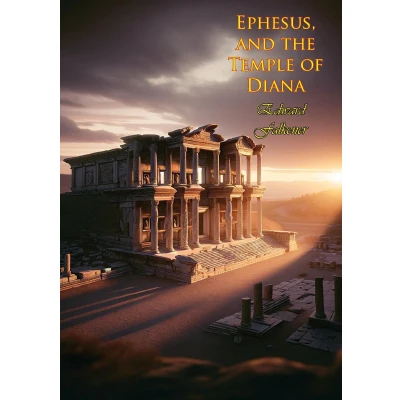
"Ephesus, and the Temple of Diana" is a captivating exploration of one of the ancient world's most magnificent cities and its renowned temple. Written by Edward Falkener, this detailed historical and archaeological study delves into the grandeur and significance of Ephesus, a prominent city of antiquity located in what is now modern-day Turkey. The book provides an in-depth examination of the Temple of Diana (Artemis), one of the Seven Wonders of the Ancient World. Falkener meticulously documents the history, architecture, and cultural importance of the Temple of Diana, presenting a comprehensive narrative that brings the ancient city to life. The author combines historical texts, archaeological findings, and his own insightful analysis to offer readers a vivid picture of Ephesus and its monumental temple. Rich with illustrations, diagrams, and detailed descriptions, this book serves as an invaluable resource for historians, archaeologists, and enthusiasts of ancient history. Through Falkener's scholarly yet accessible writing, readers will gain a profound understanding of the religious, social, and architectural achievements of Ephesus and its iconic temple. This book is an essential addition to the library of anyone interested in the wonders of the ancient world and the legacy of classical civilizations.
Bol PartnerThe English architect and archaeologist Edward Falkener (1814–96) spent a fortnight sketching the ancient ruins of Ephesus during his trip through Anatolia in the 1840s. In Part I of this 1862 publication, he tries to reconstruct the architectural features of Ephesian buildings, tracing the history of the city. Falkener's accomplished sketches and layouts display his artistic talent, which won him the grand medal of honour at the Paris Universal Exhibition in 1855. Part II focuses on the Temple of Artemis, one of the seven wonders of the ancient world. Falkener surveys ancient writings relating to the Greek temple, which still awaited rediscovery at that time. Although his speculations about the location of the temple were later proven wrong by John Turtle Wood, who correctly identified the site in 1869 (his 1877 account is also reissued in this series), Falkener's work added to the Victorian interest in ancient architecture.
 Productspecificaties
| EAN |
|
|---|---|
| Maat |
|
 Prijshistorie
Prijzen voor het laatst bijgewerkt op:
 Gerelateerde resultaten


