


€ 25,95 € 23,95 Gratis verzending

Uitgelicht
|
|
25,95
23,95 |
Naar shop
|

|
25,95 |
Naar shop
|
| VERGELIJK ALLE AANBIEDERS (2) | ||
 Beschrijving
Vergelijk aanbieders (2)
€ 25,95 € 23,95 Gratis verzending
€ 25,95 Gratis verzending
Winkels met andere maten
Beschrijving
(1)
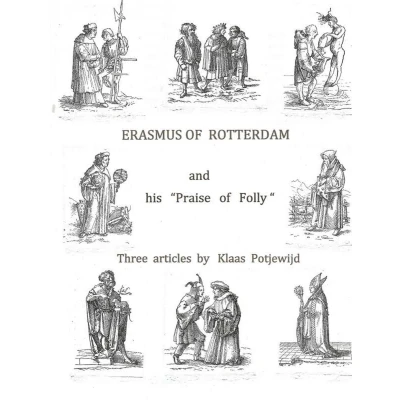
This book forms the follow up of a book – in Dutch – about the “Praise of Folly” of Erasmus of Rotterdam – Zò ontsond de Lof der Zotheid van Erasmus van Rotterdam. A story of the genesis of the book – PARTHENON Almere 2009. An elaboration of three hypotheses, launched in 2009, form the contents of the present publication. I Erasmus’ “Praise of Folly” took shape in at least three phases. It was started on his way back from Italy to England during the summer of 1509 and it was printed in Paris in the spring of 1511. Erasmus interpolated twice his core-text and added an extension in the course of time. II The “Praise of Folly” houses in eight chapters a criticism of Giovanni Pico della Mirandola. The happiness of the human kind is at stake here. The name of Giovanni Pico is left out in the “Praise of Folly”. III Erasmus did not feel at home within the particular atmosphere, prevailing in Rome, during his stay in 1509. He kept silent about his personal feelings at the time. The Sacco di Roma changed the prevailing circumstances. In his Ciceronianus from 1528 Erasmus allowed himself to speak his mind.
 Gerelateerde resultaten
 Productspecificaties
 Prijshistorie


