


€ 54,51 Gratis verzending

Uitgelicht
|
|
54,51 |
Naar shop
|
| VERGELIJK ALLE AANBIEDERS (1) | ||
 Beschrijving
Vergelijk aanbieders (1)
€ 54,51 Gratis verzending
Winkels met andere maten
Beschrijving
(1)
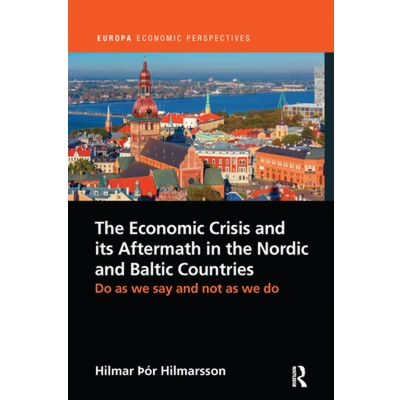
Adding to the literature on the EU, regional integration and small states, this book discusses the crisis response and results in the Nordic and Baltic countries in terms of both economic performance and social progress. It delves into the benefits and disadvantages of economic integration including banking linkages, trade and investment flows. The Nordic-Baltic region has become highly integrated. The Nordic countries have been successful in balancing competitiveness and economic growth with social inclusiveness, while the Baltic States have grown economically but remain vulnerable with weak social systems and highly unequal income distribution. European Union (EU) membership and inter-linkages with the continental Nordic banking systems appear to have affected the 2008/09 crisis response of the Baltic States. In spite of their strengths, including their social systems, continental Nordic states are faced with a challenging mix of large, cross-border banks and highly indebted households at a time of rather weak global growth. The Baltic States are challenged by slow economic growth post-crisis, security concerns, and large-scale outward migration of the youngest and most highly educated people. It is now a decade since the Baltic States were hit by the global crisis. It is time to take stock of their progress and assess their relations with other countries in the region and with the EU. This book focuses on the Baltics and their Nordic partners pre- and post-crisis: successes, failures, lessons learned, and future challenges, examining and comparing the crisis response of these various small states that enjoy different income levels, operate different welfare and tax systems, and seek different levels of integration with the EU.
 Productspecificaties
| EAN |
|
|---|---|
| Maat |
|
 Prijshistorie
 Prijzen voor het laatst bijgewerkt op:
 Gerelateerde resultaten


