

€ 69,95 Gratis verzending

Gesponsorde links
|
|
69,95 |
Naar shop
|

|
69,95 |
Naar shop
|

|
70,99 |
Naar shop
|
| VERGELIJK ALLE AANBIEDERS (3) | ||
 Beschrijving
Vergelijk aanbieders (3)
Gesponsorde links · Sommige shops betalen ons een vergoeding
€ 69,95 Gratis verzending
€ 69,95 Gratis verzending
€ 70,99 Gratis verzending
Winkels met andere maten
Beschrijving
(1)
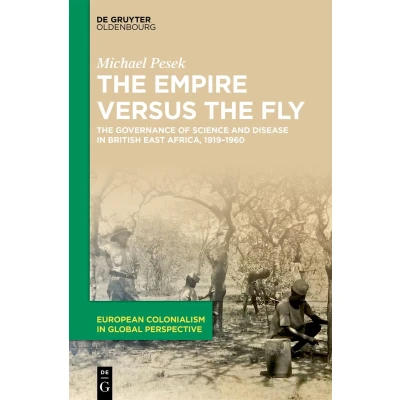
The interwar years saw a major change in the agenda of colonial policies of the British Empire in East Africa. The politics of indirect rule that had been the dominant paradigm in British East Africa since the early days of colonial occupation came under scrutiny. Economic development was increasingly seen as a priority. The fight against human and animal trypanosomiasis played a crucial role in this shift. It was one the first examples of a cooperation between science and colonial politics on a greater scale. In the 1930s, scientists, experts and colonial officials begun to see development as the main weapon in the fight against the main vector of the disease, the tsetse fly. For the Colonial Office in London, this development proved to be a chance to gain more influence over the policies in East Africa, a goal that it had followed since the early 1920s. The book offers a new perspective on British imperial and colonial policies in the interwar and postwar years. The new priority of development policies that many historians have described was to a great part a response to the challenge posed by a tiny insect, the tsetse fly. The cooperation between scientists and colonial officials was a major driver in this change.
 Prijshistorie
* Prijshistorie bevat geen data van Amazon, Amazon Marketplace.
Prijzen voor het laatst bijgewerkt op:
 Gerelateerde resultaten
 Productspecificaties


