


€ 106,54 € 90,50 Gratis verzending

Uitgelicht
|
|
106,54
90,50 |
Naar shop
|
| VERGELIJK ALLE AANBIEDERS (1) | ||
 Beschrijving
Vergelijk aanbieders (1)
€ 106,54 € 90,50 Gratis verzending
Winkels met andere maten
Beschrijving
(1)
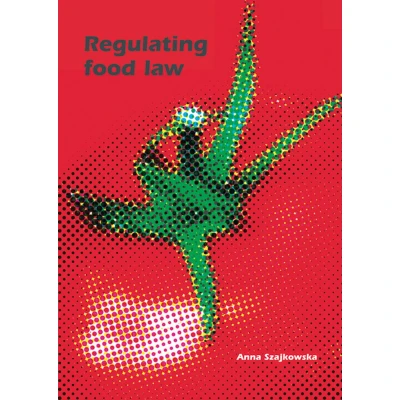
Animal cloning, nanotechnology, and genetic modifications are all examples of recent controversies around food regulation where scientific evidence occupies a central position. This book provides a fresh perspective on EU scientific food safety governance by offering a legal insight into risk analysis and the precautionary principle, positioned as general principles of EU food law. To explain what the science-based requirement means in EU multi-level governance, this book places these principles in the legislative dynamics of the EU internal market and the meta-framework of the international trade regime established by the WTO. Numerous examples of the case-law of European Courts show implications of risk analysis and science-based food law for EU and national decision makers, as well as food businesses. This book focuses on the crucial aspects of the risk analysis methodology. It redefines the precautionary principle and clarifies its scope of application. It analyses the extent to which non-scientific factors, such as consumers' risk perception, local traditions or ethical considerations, can be taken into account at national and EU level. This book argues that, compared to EU institutions, the autonomy allocated to national authorities is much more limited, which raises questions about the legitimacy of food safety governance in the EU.
 Productspecificaties
| EAN |
|
|---|---|
| Maat |
|
 Prijshistorie
 Prijzen voor het laatst bijgewerkt op:
 Gerelateerde resultaten


