


€ 30,99 Gratis verzending

Gesponsorde links
|
|
30,99 |
Naar shop
|

|
34,20 |
Naar shop
|
| VERGELIJK ALLE AANBIEDERS (2) | ||
 Beschrijving
Vergelijk aanbieders (2)
Gesponsorde links · Sommige shops betalen ons een vergoeding
€ 30,99 Gratis verzending
€ 34,20 Gratis verzending
Winkels met andere maten
Beschrijving
(1)
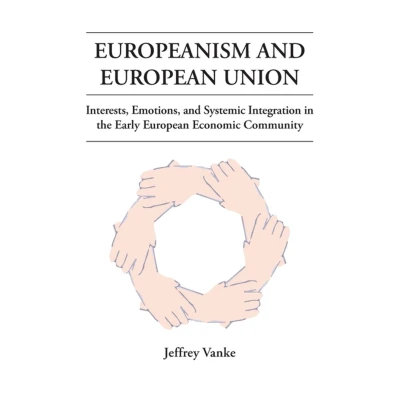
Why did six Continental countries start the core of the European Union in the 1950s and 1960s? They desired European solidarity and recast their postwar national identities to include an emotive Europeanism. Europeanism and European Union interweaves the early international history of the European Communities with four comparative national histories of European sentiments and interests, contrasting Britain's calculated self-exclusion against France, West Germany, and the Netherlands in their enthusiasm for European unity."The story of the change from total war, to an integrated, peaceful Western Europe was a dramatic and extraordinary one. . . . Vanke . . . is well placed to tell this story with new insights. He does this with considerable verve and skill."Anne Deighton, Oxford University"In this prodigious book, Vanke tries to re-join theory to empirical fact. . . . [He] has scoured the relevant material in the public archives of each of the six original member states, reviewed the major newspapers and journals in the five languages of the Six, and interviewed dozens of former policy-makers."John Gillingham, University of Missouri - St. Louis"Vanke . . . . cites an abundance of opinion polls, press editorials, [and] public and confidential politicians' statements from the Netherlands, France, and western Germany, which together make clear an emotional attachment to the European idea."Wilfried Loth, Unversity of Duisburg-EssenJeffrey Vanke earned his Ph.D. in History from Harvard University.
 Prijshistorie
* Prijshistorie bevat geen data van Amazon.
Prijzen voor het laatst bijgewerkt op:
 Gerelateerde resultaten
 Productspecificaties


