


gebruikt € 15,48 Gratis verzending

Uitgelicht
|
|
15,48 |
Naar shop
|

|
64,99 |
Naar shop
|
| VERGELIJK ALLE AANBIEDERS (2) | ||
 Beschrijving
Vergelijk aanbieders (2)
gebruikt € 15,48 Gratis verzending
€ 64,99 Gratis verzending
Winkels met andere maten
Beschrijving
(2)
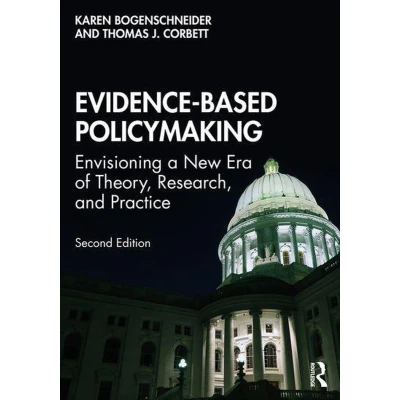
Evidenced-Based Policymaking takes a fresh look into what policymakers and the policy process are like, as told by policymakers themselves and the researchers who study and work with them. New thinking is needed on the age-old conundrum of how to connect research and policymaking. Why does a disconnect exist between the research community, which is producing thousands of studies relevant to public policy, and the policy community, which is making thousands of decisions that would benefit from research evidence? The second edition updates community dissonance theory and provides an even stronger, more substantiated story of why research is underutilized in policymaking, and what it will take to connect researchers and policymakers. This book offers a fresh look into what policymakers and the policy process are like, as told by policymakers themselves and the researchers who study and work with them. New to the second edition: • The point of view of policymakers is infused throughout this book based on a remarkable new study of 225 state legislators with an extraordinarily high response rate in this hard-to-access population. • A new theory holds promise for guiding the study and practice of evidence-based policy by building on how policymakers say research contributes to policymaking. • A new chapter features pioneering researchers who have effectively influenced public policy by engaging policymakers in ways rewarding to both. • A new chapter proposes how an engaged university could provide culturally competent training to create a new type of scholar and scholarship. This review of state-of-the-art research on evidence-based policy is a benefit to readers who find it hard to keep abreast of a field that spans the disciplines of business, economics, education, family sciences, health services, political science, psychology, public administration, social work, sociology, and so forth. For those who study evidence-based policy, the book provides the basics of producing policy relevant research by introducing researchers to policymakers and the policy process. Strategies are provided for identifying research questions that are relevant to the societal problems that confront and confound policymakers. Researchers will have at their fingertips a breath-taking overview of classic and cutting-edge studies on the multi-disciplinary field of evidence-based policy. For instructors, the book is written in a language and style that students find engaging. A topic that many students find mundane becomes germane when they read stories of what policymakers are like, and when they learn of researcher’s tribulations and triumphs as they work to build evidence-based policy. To point students to the most important ideas, the key concepts are highlighted in text boxes. For those who desire to engage policymakers, a new chapter summarizes the breakthroughs of several researchers who have been successful at driving policy change. The book provides 12 innovative best practices drawn from the science and practice of engaging policymakers, including insights from some of the best and brightest researchers and science communicators. The book also takes on the daunting task of evaluating the effectiveness of efforts to engage policymakers around research. A theory of change identifies seven key elements that are fundamental to increasing policymaker’s use of research along with evaluation protocols and preliminary evidence on each element.
Bol PartnerThis book examines ways to enhance evidence-based policymaking, striking a balance between theory and practice. The attention to theory builds a greater understanding of why miscommunication and mistrust occur. Until we better appreciate the forces that divide researchers and policymakers, we cannot effectively construct strategies for bringing them together. This book is for those who believe that good government should be based on hard evidence, and that research and policy ought to go hand-in-hand. Unfortunately, no such bond exists. Rather, there is a substantial gap, some say chasm, between the production of knowledge and its utilization. Despite much contrary evidence, the authors propose there is a way of doing public policy in a more reflective manner, and that a hunger for evidence and objectivity does exist. The book is pragmatic, drawing on advice from some of the best and brightest informants from both the research and policy communities. In their own voices, researchers provide incisive analysis about how to bridge the research/policy divide, and policymakers provide insights about why they use research, what kind is most useful, where they seek it, and how they screen its quality. The book breaks through stereotypes about what policymakers are like, and provides an insiders’ view of how the policy process really works. Readers will learn what knowledge, skills, approaches, and attitudes are needed to take research findings from the laboratory to lawmaking bodies, and how to evaluate one’s success in doing so. The book’s balance between theory and practice will appeal to students in graduate and upper-level undergraduate courses in family studies and family policy, educational policy, law, political science, public administration, public health, social work, and sociology. This book will also be of interest to researchers who want to bring their ideas into policy debate and to those who work with policymakers to advance an evidence-based policy agenda.
 Productspecificaties
| EAN |
|
|---|---|
| Maat |
|
 Prijshistorie
 Prijzen voor het laatst bijgewerkt op:
 Gerelateerde resultaten


