


€ 50,99 Gratis verzending

Uitgelicht
|
|
50,99 |
Naar shop
|
| VERGELIJK ALLE AANBIEDERS (1) | ||
 Beschrijving
Vergelijk aanbieders (1)
€ 50,99 Gratis verzending
Winkels met andere maten
Beschrijving
(1)
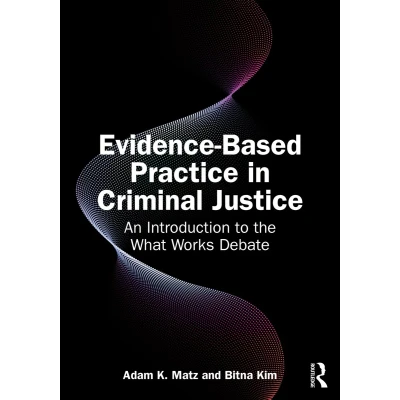
Evidence-Based Practice in Criminal Justice examines current practices and programming in criminal justice from a holistic perspective, covering policing, courts, corrections, and juvenile justice, with a focus on grounding justice with empirical research. Evidence-Based Practice in Criminal Justice examines current practices and programming in criminal justice from a holistic perspective, covering policing, courts, corrections, and juvenile justice, with a focus on grounding justice with empirical research. Many ingrained practices in criminal justice today have been based largely on conventional wisdom and experience, with limited empirical testing or validation. Over the past three decades, movements toward what works, best practices, and evidence-based practices have shifted the focus toward integrating empirical evidence in determining what and how work should be done in this field. What does “evidence-based practice” mean, though, and who has the authority to define it? How can agencies cope with gaps or conflicts in the empirical literature? This book demonstrates what constitutes evidence while discussing the limitations of what is known based on the current literature. Aimed at undergraduates completing a senior capstone as well as early-stage graduate students, this book comprehensively reviews practices and programs across the various components of the criminal justice system, while also considering planning for new innovations or the reassessment and modification of existing ones.
 Productspecificaties
| EAN |
|
|---|---|
| Maat |
|
 Prijshistorie
 Prijzen voor het laatst bijgewerkt op:
 Gerelateerde resultaten


