


€ 47,99 Gratis verzending

Uitgelicht
|
|
47,99 |
Naar shop
|
| VERGELIJK ALLE AANBIEDERS (1) | ||
 Beschrijving
Vergelijk aanbieders (1)
€ 47,99 Gratis verzending
Winkels met andere maten
Beschrijving
(1)
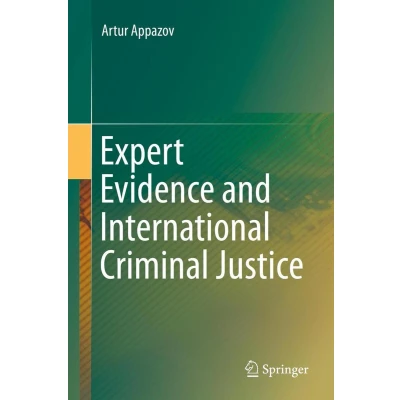
The book is a comprehensive narration of the use of expertise in international criminal trials offering reflection on standards concerning the quality and presentation of expert evidence. It analyzes and critiques the rules governing expert evidence in international criminal trials and the strategies employed by counsel and courts relying upon expert evidence and challenges that courts face determining its reliability. In particular, the author considers how the procedural and evidentiary architecture of international criminal courts and tribunals influences the courts’ ability to meaningfully incorporate expert evidence into the rational fact-finding process. The book provides analysis of the unique properties of expert evidence as compared with other forms of evidence and the challenges that these properties present for fact-finding in international criminal trials. It draws conclusions about the extent to which particularized evidentiary rules for expert evidence in international criminal trials is wanting. Based on comparative analyses of relevant national practices, the book proposes procedural improvements to address some of the challenges associated with the use ofexpertise in international criminal trials. The book is a comprehensive narration of the use of expertise in international criminal trials offering reflection on standards concerning the quality and presentation of expert evidence. It analyzes and critiques the rules governing expert evidence in international criminal trials and the strategies employed by counsel and courts relying upon expert evidence and challenges that courts face determining its reliability. In particular, the author considers how the procedural and evidentiary architecture of international criminal courts and tribunals influences the courts’ ability to meaningfully incorporate expert evidence into the rational fact-finding process. The book provides analysis of the unique properties of expert evidence as compared with other forms of evidence and the challenges that these properties present for fact-finding in international criminal trials. It draws conclusions about the extent to which particularized evidentiary rules for expert evidence in international criminal trials is wanting. Based on comparative analyses of relevant national practices, the book proposes procedural improvements to address some of the challenges associated with the use of expertise in international criminal trials.
 Productspecificaties
| EAN |
|
|---|---|
| Maat |
|
 Prijshistorie
 Prijzen voor het laatst bijgewerkt op:
 Gerelateerde resultaten


