


€ 44,99 Gratis verzending

Gesponsorde links
|
|
44,99 |
Naar shop
|

|
51,66 |
Naar shop
|
| VERGELIJK ALLE AANBIEDERS (2) | ||
 Beschrijving
Vergelijk aanbieders (2)
Gesponsorde links · Sommige shops betalen ons een vergoeding
€ 44,99 Gratis verzending
€ 51,66 Gratis verzending
Winkels met andere maten
Beschrijving
(1)
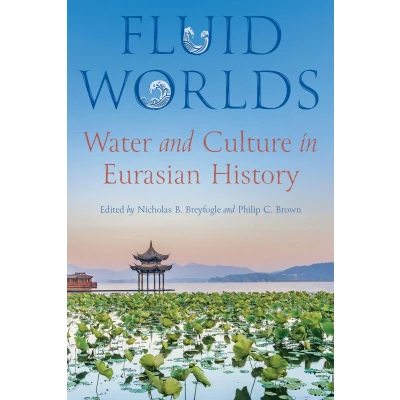
Bodies of water have played myriad roles in human history—as cultural landmarks, foundation myths and origin stories, symbols of identity, sources of political legitimacy, and as ways of constructing shared values. Bodies of water have played myriad roles in human history—as cultural landmarks, foundation myths and origin stories, symbols of identity, sources of political legitimacy, and as ways of constructing shared values. Focusing on the rivers, lakes, glaciers, and seas of Eurasia—including China, Japan, Korea, Vietnam, Central Asia, the tsarist empire, and the Soviet Union—Fluid Worlds investigates water’s role in human culture, from the fourteenth century to the twenty-first. As the authors of this edited collection show, political authority, social status, and cultural importance have been core categories for producing knowledge about water. Ultimately, how humans think about and assign value to water affects the actions they take to try to control, transform, or move it, from hydroelectric dam building to waterscape conservation. Today, as the world population grows, water supplies are increasingly polluted, glaciers melt, sea levels rise, and aquifers deplete, we face profound ethical and ideological dilemmas about managing the world’s water. Lessons from the historical relationships between human culture and water will take on increasing relevance as we consider how to confront these challenges and shape our future.
 Prijshistorie
* Prijshistorie bevat geen data van Amazon.
Prijzen voor het laatst bijgewerkt op:
 Gerelateerde resultaten
 Productspecificaties


